How to Stop Gaming Addiction: Signs, Practical Steps and When to Get Help
Most people who play video games do it for fun, connection and a bit of escape — and that's completely fine. But for some, "one more match" turns into 3am, missed classes, a slipping job or friendships that only exist online. If you're wondering how to stop gaming addiction, or cut back to a healthier level, this guide will help you see where you are and what to do next.
The short answer
Gaming becomes a problem when you lose control over it, it takes priority over other important parts of life, and you keep going despite harm. To cut back: track your real hours, set clear rules (when, how long, which games), remove the easiest triggers, replace what gaming gives you (challenge, social connection, escape) with offline alternatives, and get support if you can't manage it alone.
What is gaming disorder?
The World Health Organization includes gaming disorder in its International Classification of Diseases (ICD-11). It describes a pattern of gaming with:
- Impaired control over when, how often and how long you play.
- Increasing priority given to gaming over other interests and daily activities.
- Continuation or escalation despite negative consequences.
For a diagnosis, the pattern usually needs to cause significant problems in personal, family, social, educational or work life, typically for at least 12 months. Most people who play a lot don't have gaming disorder — but you don't need a diagnosis to decide you want to play less.
Signs gaming is becoming a problem
- You often play much longer than you planned.
- You've tried to cut down and couldn't.
- You feel irritable or restless when you can't play.
- You skip sleep, meals, school, work or plans to game.
- You've lost interest in other hobbies.
- You hide how much you play.
- Gaming is your main way of dealing with stress or low mood.
Why games are so hard to put down
Many games are designed with features that make stopping hard: daily login rewards, battle passes, ranked ladders, loot boxes, endless progression and social obligations to your team. Combine that with the genuine fun, challenge and friendship games offer, and it's easy to see why.
Practical steps to cut back or quit
1. Measure your real playtime
Use your console, PC or phone's built-in playtime stats for a week. The number is often a surprise.
2. Decide your goal
| Goal | Looks like |
|---|---|
| Limits | Weekends only, or 1 hour on weekdays |
| Selective | Quit the most compulsive game, keep others |
| Break | 30 days off completely |
| Quit | Uninstall and move on |
3. Set clear rules
- No gaming before responsibilities (work, study, exercise) are done.
- A hard stop time at night — at least an hour before bed.
- Set session limits with parental controls or console settings (you can use them on yourself).
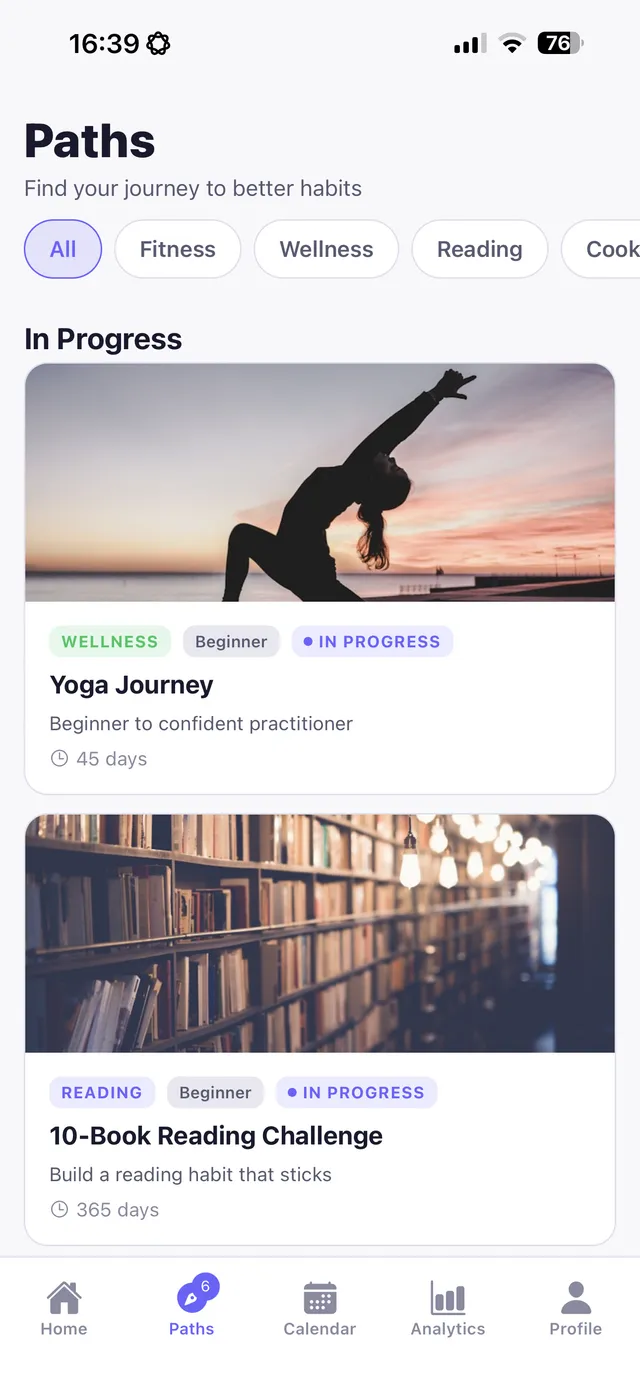
Replacify helps you swap a bad habit for a better one — with structured paths, an SOS button for cravings, a focus timer, and streaks that keep you going.


4. Remove triggers
- Uninstall your most compulsive games, or log out and remove saved passwords.
- Move your console or PC out of your bedroom.
- Turn off game notifications and daily-reward reminders.
- Leave Discord servers or group chats that constantly pull you back in, at least for a while.
5. Replace what gaming gives you
Games meet real needs. Replace them, don't just remove them:
| Gaming gives you | Offline alternative |
|---|---|
| Challenge and progress | Learning an instrument, a language, coding, climbing |
| Competition | Sport, chess club, martial arts |
| Social connection | Meeting friends in person, team sports, clubs |
| Escape and relaxation | Reading, walks, films with friends |
| Achievement and rewards | Tracking streaks and milestones on a real-world goal |
6. Handle the urge to "just check"
Urges to jump back into a game come in waves. Name it, delay, move, do your replacement. What to do when a craving hits.
When to get help
Talk to a doctor or mental health professional if you can't cut down despite trying, gaming is seriously affecting school, work, relationships or sleep, or you're gaming to cope with depression, anxiety or loneliness. Therapy — especially cognitive behavioural therapy — can help, and underlying issues are often treatable. If you're a parent worried about a child or teen, talk to their GP or school counsellor.
The bottom line
Gaming is a great hobby until it takes over. Measure your real playtime, decide your goal, set clear rules, remove triggers and — crucially — replace the challenge, competition and connection games give you with offline alternatives. If you can't manage it alone, get support.
Replacify was designed with this kind of swap in mind. Choose Excessive Gaming as your struggle, then pick a replacement path with real progression — kettlebell, running, guitar, Python, drawing or a new language — broken into phases, steps and checkpoint badges. Challenges and streaks give you the "levelling up" feeling, in real life.
Replacify is not a medical or therapy service.
Frequently asked questions
What is gaming disorder?
Gaming disorder is included in the WHO's ICD-11. It describes impaired control over gaming, increasing priority given to gaming, and continuing despite negative consequences, usually for at least 12 months.
How do I know if I'm addicted to gaming?
Warning signs include playing much longer than planned, failing to cut down, irritability when you can't play, and neglecting sleep, work, school or relationships.
How can I stop gaming so much?
Track your playtime, set a clear goal and rules, remove triggers like notifications and consoles in the bedroom, and replace what gaming gives you with offline activities.
What can I do instead of gaming?
Choose activities that meet the same needs: a sport or chess for competition, an instrument or language for progress, clubs for connection, and reading or walks for relaxation.
Replace the habit. Not yourself.
Replacify helps you swap a bad habit for a better one — with structured paths, an SOS button for cravings, a focus timer, and streaks that keep you going.