How to Find (and Use) an Accountability Partner for Habit Change

It's easy to break a promise you've only made to yourself. It's much harder when someone else is expecting an update. That's the idea behind an accountability partner: a person who knows your goal, checks in regularly and helps you stay on track. For many people, it's the missing piece that turns good intentions into a lasting habit.
The short answer
An accountability partner is someone you share a specific goal with and check in with regularly. It works because it adds social commitment, regular reflection and encouragement. Choose someone reliable, supportive and honest (not judgemental), agree on what, when and how you'll check in, keep updates short and specific, and review the arrangement after a few weeks.
Why accountability works
- Commitment. Saying your goal out loud to someone makes it more real.
- Consistency. Regular check-ins create a rhythm.
- Reflection. Explaining what went well or badly helps you learn.
- Encouragement. A good partner helps you through tough days.
- Reduced shame. Talking about slips with someone supportive makes it easier to restart.
Social support is consistently associated with better outcomes in behaviour change — from quitting smoking to exercising more.
Choosing the right partner
| Good partner | Less helpful partner |
|---|---|
| Reliable — shows up for check-ins | Forgets or cancels often |
| Supportive and non-judgemental | Critical, lectures or shames |
| Honest — will gently call you out | Tells you what you want to hear |
| Interested in your goal | Uninterested or dismissive |
| Ideally working on a goal too | Has a conflicting interest (e.g. your drinking buddy) |
Options include a friend, partner, colleague, family member, someone from an online community, or a coach.
How to set it up
1. Be specific about your goal
"No social media apps on my phone for 30 days" or "Run three times a week". Vague goals make check-ins vague.
2. Agree on the check-in format
- How often: daily messages for quitting; weekly for building habits.
- How: a text, a quick call, a shared tracker.
- What to share: did you do it? What got in the way? What's the plan for next time?
Replacify helps you swap a bad habit for a better one — with structured paths, an SOS button for cravings, a focus timer, and streaks that keep you going.


3. Keep check-ins short
A simple template:
✅ Done / ❌ Missed
Hardest moment:
What helped:
Plan for tomorrow:
4. Agree how to handle slips
Decide in advance that slips are shared honestly, without shame — and that the response is "what's the plan now?", not a lecture. What to do after you break your streak.
5. Make it mutual
If your partner has a goal too, you both give and receive support.
6. Review after a month
Is it helping? Adjust frequency, format or even partner if needed.
What to say when asking someone
Asking can feel awkward. Try something like:
"I'm trying to stop vaping this month and I'd do better with someone checking in. Would you be up for a quick text each evening where I tell you how the day went? No lectures — just a thumbs up or a 'tomorrow's a new day'. Happy to do the same for anything you're working on."
Be clear about what you want (short, supportive check-ins) and what you don't (nagging or judgement). Most people are glad to be asked.
Accountability without a partner
Don't have the right person? Alternatives include:
- Public commitment — tell friends or post your goal.
- Commitment contracts — write and sign a promise to yourself.
- Challenges — structured 30-day challenges with a clear rule. 30-day challenge ideas.
- Tracking — a visible streak creates "accountability to yourself". How habit streaks work.
- Groups — support groups, clubs and online communities.
When accountability isn't enough
For addictions like alcohol, gambling or drugs, an accountability partner is helpful but not a substitute for professional support. If you're struggling, talk to a doctor or use a helpline.
The bottom line
An accountability partner makes it harder to quietly drop a goal. Choose someone reliable and supportive, be specific, agree on short regular check-ins, handle slips without shame and review after a month. If you don't have a partner, use public commitment, challenges and tracking.
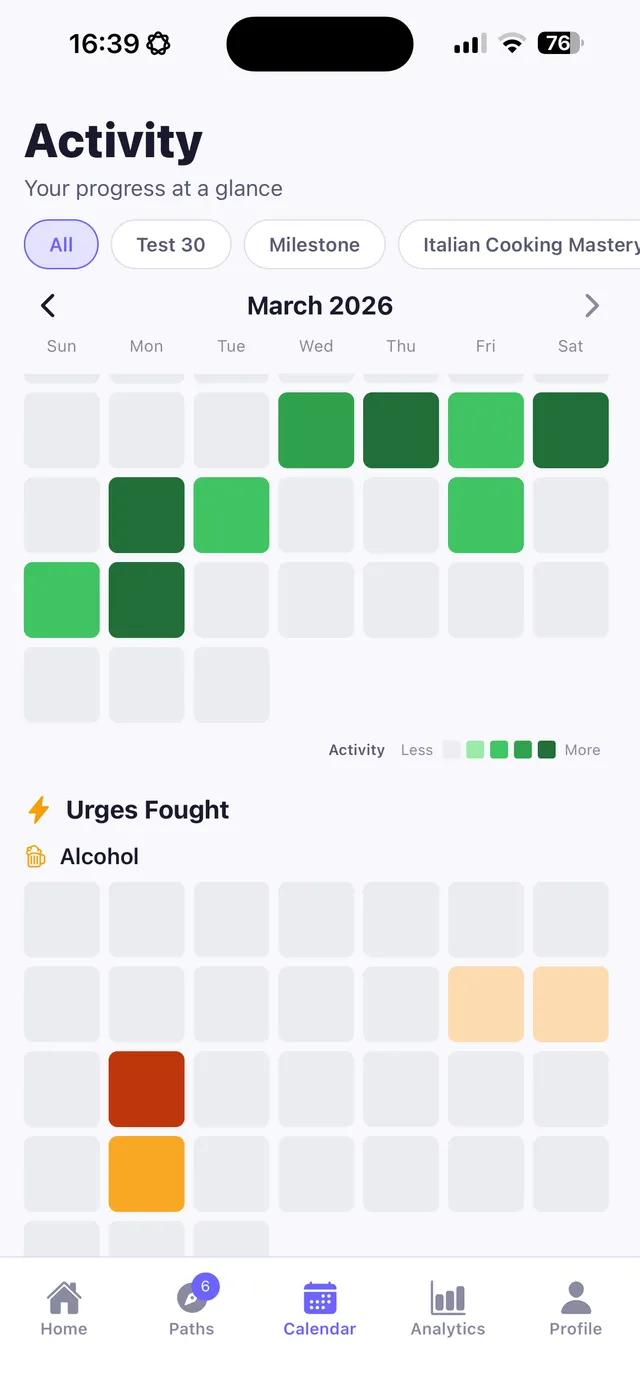
Replacify provides built-in accountability: sign a commitment contract when you start, track your struggle-free streak and daily check-ins, join challenges, and see your progress on the heatmap calendar — a visible record you'll want to protect.
Frequently asked questions
What is an accountability partner?
Someone you share a specific goal with and check in with regularly, who encourages you and helps you stay on track.
How do I choose an accountability partner?
Pick someone reliable, supportive, honest and non-judgemental, ideally who is working on a goal too and doesn't share the habit you're trying to change.
How often should I check in with an accountability partner?
Daily short messages often work for quitting a habit; weekly check-ins can work for building one. Adjust after a few weeks.
What if I don't have an accountability partner?
Try public commitment, a commitment contract, structured challenges, visible streak tracking or joining a group or community.
Replace the habit. Not yourself.
Replacify helps you swap a bad habit for a better one — with structured paths, an SOS button for cravings, a focus timer, and streaks that keep you going.