Journaling for Beginners: How to Start (and What to Write When You Don't Know What to Write)

A blank page can be intimidating. Many people like the idea of journaling but stop after a few days because they don't know what to write, or it starts to feel like homework. The truth is, journaling for beginners can be as simple as five minutes and three sentences. Here's how to start, what to write, and how journaling can help you change habits.
The short answer
To start journaling: pick a time (morning or evening), keep it short (5 minutes or a few sentences), choose a simple method — free writing, prompts, gratitude, a daily log or a habit journal — and don't worry about quality. Journaling works because it helps you notice patterns, process emotions and reflect on progress.
Why journal?
- Clarity: getting thoughts out of your head makes them easier to understand.
- Emotional processing: writing about experiences can help you make sense of them. Research on "expressive writing" has explored benefits for wellbeing.
- Pattern spotting: you notice triggers and trends you'd otherwise miss.
- Progress: you see how far you've come.
- Calmer evenings: writing a to-do list or worries before bed can help you switch off.
5 simple journaling methods
| Method | How it works | Time |
|---|---|---|
| Free writing | Write whatever comes to mind, without stopping | 5–10 min |
| Prompts | Answer one question | 5 min |
| Gratitude | Write three good things from the day | 3 min |
| Daily log | A few lines: what happened, how you felt | 3–5 min |
| Habit journal | Track a habit, triggers and urges | 3 min |
How to start
- Choose your tool. A notebook, a notes app, or a journaling app — whatever you'll actually use. Paper has the advantage of no notifications.
- Pick a time. Morning (to plan and set intentions) or evening (to reflect and wind down).
- Attach it to a habit. "After I brush my teeth, I journal for five minutes." Habit stacking.
- Keep it short. Three sentences count.
- Don't edit. Spelling, grammar and neat handwriting don't matter.
- Keep it private. Honest writing needs a safe space.
Replacify helps you swap a bad habit for a better one — with structured paths, an SOS button for cravings, a focus timer, and streaks that keep you going.


30 journal prompts for beginners
Reflection
- What happened today that I want to remember?
- What went well today, and why?
- What was hard today?
- What did I learn about myself this week?
- When did I feel most like myself today?
Emotions 6. What am I feeling right now, and where do I feel it in my body? 7. What's worrying me, and what's one small step I could take? 8. What am I avoiding? 9. What would I tell a friend in my situation? 10. What do I need more of right now?
Gratitude 11. Three things I'm grateful for today. 12. Someone who made my day better. 13. Something small that made me smile.
Goals and planning 14. What's my most important task tomorrow? 15. What would make this week a good week? 16. Where do I want to be in a year? 17. What's one habit I want to build? 18. What's one habit I want to let go of?
Habits and urges 19. When did I feel an urge today? What triggered it? 20. What did I do instead? How did it feel? 21. What need was the habit meeting? 22. What could I replace it with? 23. What's my plan for tomorrow's trigger?
Growth 24. What's a challenge I handled well recently? 25. What am I proud of this month? 26. What would the person I want to become do tomorrow? 27. What's something I've changed my mind about? 28. What's draining my energy? 29. What's giving me energy? 30. What do I want to remember about this season of my life?
Using a journal to break a bad habit
A habit journal is one of the most practical tools for change. Each day, note:
- Did I do the habit? Yes / No.
- Urges: when, where, how strong (1–10).
- Triggers: what was happening, how I felt.
- What I did instead.
After a week or two, patterns appear — the times, places and feelings that drive the habit. That's exactly what you need to plan replacements. The habit loop and replacement behaviors.
The bottom line
Journaling doesn't need to be long or eloquent. Pick a time, keep it short, choose a simple method and let yourself write badly. Use prompts when you're stuck, and try a habit journal to understand your triggers.
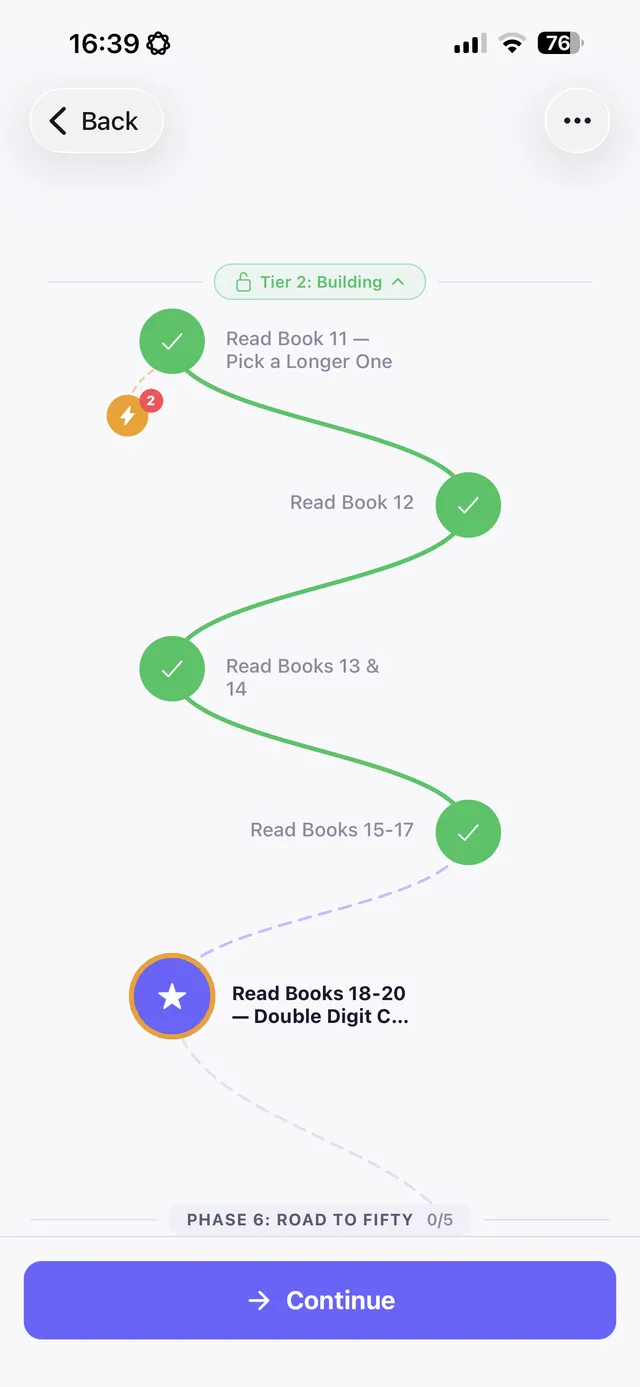
Replacify's Journaling & Writing path gives beginners a structured start, with phases, steps and tips. Pair it with daily check-ins and urge ratings — a built-in habit journal — to spot patterns in your struggles over time.
Frequently asked questions
How do I start journaling as a beginner?
Pick a time, keep it to five minutes or a few sentences, choose a simple method like prompts or gratitude, and don't worry about how well you write.
What should I write in my journal?
Try a prompt such as what went well today, what was hard, what you're grateful for, or what triggered an urge and what you did instead.
Is it better to journal in the morning or at night?
Both work. Mornings are good for planning and intentions; evenings for reflection and winding down. Choose the time you'll stick with.
Can journaling help break bad habits?
Yes. A habit journal that records urges, triggers and what you did instead helps you spot patterns and plan replacements.
Replace the habit. Not yourself.
Replacify helps you swap a bad habit for a better one — with structured paths, an SOS button for cravings, a focus timer, and streaks that keep you going.