How to Start Meditating: A Simple Beginner's Guide (5 Minutes a Day)

Many people want to meditate but get stuck before they start: they think they need to empty their mind, sit cross-legged for an hour or feel instantly calm. None of that is true. Learning how to start meditating is mostly about showing up for a few minutes a day and practising one simple skill: noticing where your attention is, and gently bringing it back.
The short answer
To start meditating: sit comfortably for 5 minutes, focus on your breath, and every time your mind wanders, gently bring it back — that's the whole practice. Do it at the same time each day, attach it to an existing habit, and build up slowly. Guided meditations can help at the start. The goal isn't an empty mind; it's noticing and returning.
What meditation actually is
There are many styles, but most beginner practices are forms of mindfulness meditation: paying attention to the present moment — your breath, your body, sounds — without judging what you notice. When your mind wanders (it will, constantly), you notice and return. Each return is like a repetition at the gym.
Why people meditate
Research on mindfulness-based programmes has found benefits for stress, anxiety and wellbeing in many groups. For habit change, one of the most useful effects is learning to notice urges without automatically acting on them — the core of "urge surfing" and riding out a craving.
A 5-minute beginner meditation
| Minute | What to do |
|---|---|
| 0–1 | Sit comfortably. Close your eyes or lower your gaze. Take three slow breaths. |
| 1–4 | Rest attention on your breath — the feeling at the nostrils, chest or belly. When your mind wanders, notice it and come back. |
| 4–5 | Widen attention to your whole body and the sounds around you. Open your eyes slowly. |
That's it. Five minutes, every day.
Tips for beginners
Pick a time and anchor
"After I pour my morning coffee, I meditate for five minutes." Habit stacking makes it automatic.
Start small
Five minutes a day is better than 30 minutes once a week. Increase gradually if you want to.
Use guidance at first
Guided meditations tell you what to do and when, which helps a lot at the beginning.
Find a comfortable position
A chair is fine. So is lying down (if you don't fall asleep). You don't need to sit cross-legged.
Replacify helps you swap a bad habit for a better one — with structured paths, an SOS button for cravings, a focus timer, and streaks that keep you going.


Count your breaths if you wander a lot
Count each exhale from 1 to 10, then start again. If you lose count, go back to 1 — no judgement.
Track your practice
Seeing a streak of days is motivating. How habit streaks work.
Common problems and fixes
| Problem | Fix |
|---|---|
| "My mind won't stop wandering" | That's normal. Noticing and returning is the practice |
| "I get bored" | Try shorter sessions or different styles (body scan, walking meditation) |
| "I fall asleep" | Sit up, meditate earlier in the day, or keep your eyes slightly open |
| "I don't feel calm" | Calm isn't the goal; awareness is. Calm often follows with practice |
| "I keep forgetting" | Attach it to an existing habit and set a reminder |
| "It makes me anxious" | Try guided practices, shorter sessions or movement-based options; if anxiety persists, talk to a professional |
Meditation for cravings and urges
When a craving hits, try a short "urge surfing" practice:
- Notice the urge and where you feel it in your body.
- Breathe slowly and observe the sensation without acting on it.
- Watch it rise, peak and fade, like a wave.
With practice, this makes urges feel less overwhelming. It's a powerful companion to replacing a bad habit.
The bottom line
Starting meditation is simple: five minutes, attention on your breath, gently returning when your mind wanders. Do it at the same time daily, start small, use guidance if it helps, and track your streak. Over time, it becomes easier to notice urges and thoughts without being carried away.
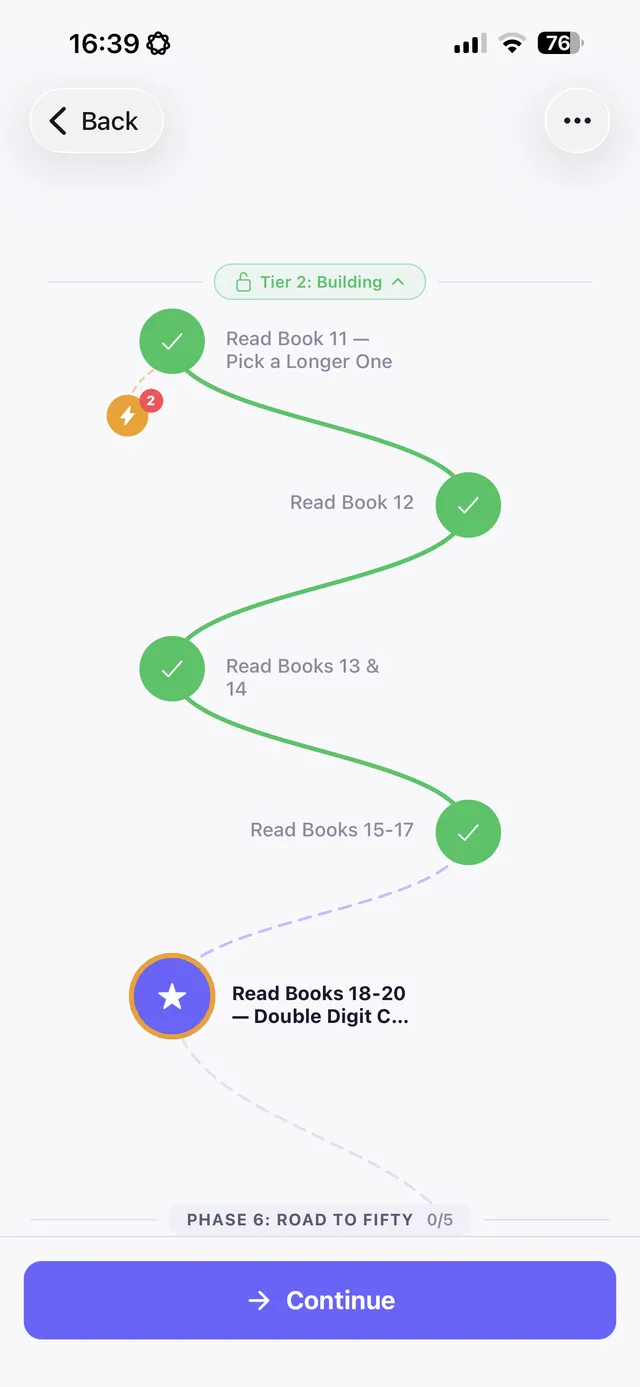
Replacify's Meditation path is designed for beginners, with phases, steps, time estimates and tips. Use the focus timer for your daily session, and when an urge hits, the free SOS button can guide you through a calming activity — putting your practice to work when it matters most.
Frequently asked questions
How do I start meditating as a beginner?
Sit comfortably for five minutes, focus on your breath and gently bring your attention back each time your mind wanders. Do it at the same time daily and build up slowly.
How long should beginners meditate?
Five minutes a day is a great start. Consistency matters more than length.
Is it normal for my mind to wander while meditating?
Yes, completely. Noticing that your mind has wandered and bringing it back is the core of the practice.
Can meditation help with cravings?
Mindfulness practices can help you notice urges without acting on them automatically, which is useful when changing habits.
Replace the habit. Not yourself.
Replacify helps you swap a bad habit for a better one — with structured paths, an SOS button for cravings, a focus timer, and streaks that keep you going.