How to Stop Late-Night Snacking: Why It Happens and 10 Fixes That Work
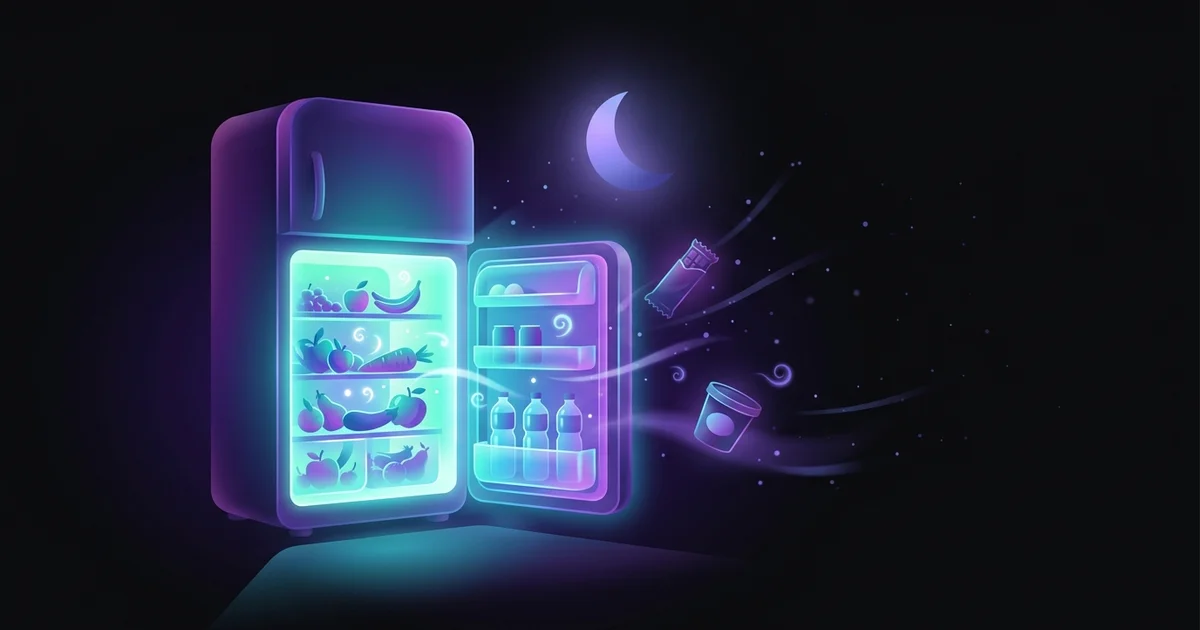
You eat a decent dinner, settle in for the evening, and by 22:30 you're standing in front of the fridge or halfway through a packet of crisps. Late-night snacking is one of the most common eating habits people want to change — and it's rarely about true hunger. Once you see what's driving it, it's much easier to stop.
The short answer
Late-night snacking is usually driven by under-eating earlier in the day, tiredness, boredom or stress, and habit cues like the sofa and TV. To stop: eat enough during the day (especially protein), set a "kitchen closed" time, create an end-of-night ritual, keep trigger foods out of easy reach, and go to bed earlier — tiredness makes cravings stronger.
Why late-night snacking happens
| Driver | What it looks like |
|---|---|
| Under-eating during the day | Skipped breakfast, small lunch, starving by evening |
| Habit cues | Sofa + TV = snack, every night |
| Boredom | Nothing else to do in the evening |
| Stress and emotions | Food as comfort or reward after a hard day |
| Tiredness | Staying up late increases cravings for high-energy food |
| Easy access | Snacks in sight, in the cupboard next to the sofa |
That's the habit loop: the cue (evening on the sofa), the routine (snack), the reward (comfort, something to do, energy).
10 fixes that work
1. Eat enough during the day
If you've under-eaten, evening hunger is real, not a failure of willpower. Aim for regular meals with protein and fibre. A proper breakfast and lunch often reduce evening cravings more than any trick.
2. Make dinner satisfying
Include protein, vegetables and some slow carbohydrates. A dinner that's too small or too early makes a 22:00 snack much more likely.
3. Set a "kitchen closed" time
Decide on a time — for example, an hour after dinner — after which the kitchen is closed. Some people literally turn off the kitchen light as a signal.
4. Brush your teeth early
Brushing your teeth soon after dinner is a strong "eating is over" cue for many people. It also makes most snacks taste worse.
5. Create an end-of-evening ritual
Replace the snack ritual with another one: herbal tea in a favourite mug, a short walk, a bath, reading. The ritual matters more than the specific activity.
Replacify helps you swap a bad habit for a better one — with structured paths, an SOS button for cravings, a focus timer, and streaks that keep you going.


6. Keep trigger foods out of sight
If it's in the cupboard next to the sofa, it'll be eaten. Keep trigger foods out of the house, or at least out of sight and in less convenient places.
7. Plan a snack if you're genuinely hungry
If you're truly hungry late, have a planned, satisfying option — yoghurt, fruit and nuts, a small bowl of cereal — at the table, not in front of the TV straight from the packet.
8. Keep your hands busy
If snacking is partly about having something to do while watching TV, try a craft, a puzzle, a fidget, stretching, or sparkling water.
9. Handle the emotions directly
If evenings are when stress or loneliness hit, food may be doing emotional work. Try a walk, journaling, calling someone or a relaxing routine. 60 replacement ideas by need.
10. Go to bed earlier
Short sleep is linked to increased appetite and cravings for high-calorie foods. Staying up late also simply gives you more time to snack. An earlier bedtime can solve two problems at once.
Is eating late at night bad?
Occasional late snacks are fine. What matters most for health is overall diet quality and quantity. The problem with habitual late-night snacking is usually that it adds calories you don't need, often from high-sugar, high-fat foods, and can affect sleep if you eat a lot close to bedtime.
When to get support
If late-night eating feels out of control, involves eating large amounts, or you wake up at night to eat, speak to a doctor. Night eating syndrome and binge eating disorder are recognised conditions, and help is available. How to stop binge eating explains the cycle and support options.
The bottom line
Late-night snacking usually comes from under-eating earlier, tiredness, boredom, emotions and strong evening cues. Eat enough during the day, set a kitchen-closed time, brush your teeth early, create a new end-of-night ritual, keep trigger foods out of reach and go to bed a little earlier.
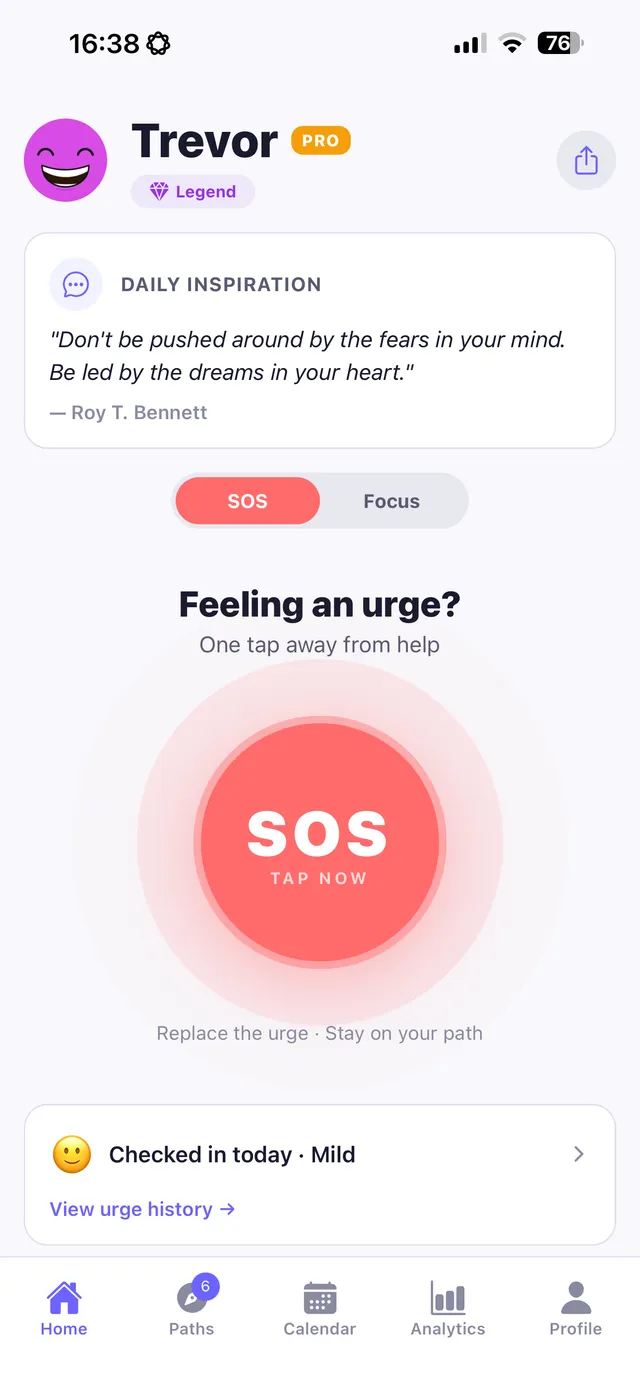
Replacify includes Late-Night Snacking as a struggle. Tap SOS for a matched activity and timer when the evening craving hits, log daily check-ins with an urge rating to spot your trigger nights, and use Apple Health sleep sync to see how your bedtime affects your cravings.
Replacify is not a medical or nutrition service.
Frequently asked questions
How do I stop late-night snacking?
Eat enough during the day, have a satisfying dinner, set a kitchen-closed time, brush your teeth early, create an end-of-evening ritual, keep trigger foods out of reach and go to bed earlier.
Why do I snack at night when I'm not hungry?
Often because of habit cues like the sofa and TV, boredom, stress or tiredness rather than true hunger.
Does eating late at night make you gain weight?
What matters most is your overall intake and diet quality. Habitual late snacking often adds extra calories from high-sugar, high-fat foods, which can add up over time.
What should I eat if I'm hungry late at night?
A small, planned snack such as yoghurt, fruit with nuts or a small bowl of cereal, eaten at the table rather than straight from a packet in front of the TV.
Replace the habit. Not yourself.
Replacify helps you swap a bad habit for a better one — with structured paths, an SOS button for cravings, a focus timer, and streaks that keep you going.