Identity-Based Habits: Why "I'm Someone Who…" Beats Willpower
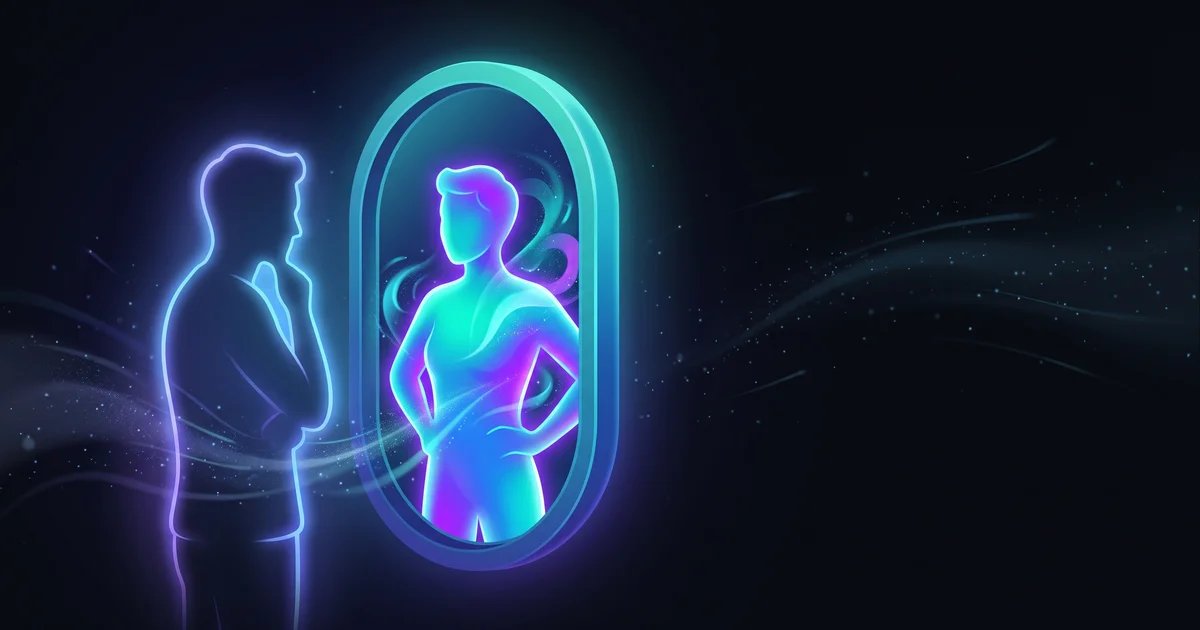
"I'm trying to quit smoking" and "I'm not a smoker" sound similar. But they send very different messages to your brain. The first positions you as a smoker fighting temptation; the second makes not smoking simply part of who you are. That's the idea behind identity-based habits: lasting change comes from shifting how you see yourself, one small action at a time.
The short answer
Identity-based habits start from the question "Who do I want to become?" instead of "What do I want to achieve?" Every action you take is a small vote for a type of person. You build a new identity by stacking up small, repeatable wins — reading one page makes you "a reader"; one run makes you "a runner". Over time, the habits feel like expressions of who you are, not chores.
Where the idea comes from
James Clear popularised identity-based habits in Atomic Habits, describing three layers of change: outcomes (what you get), processes (what you do) and identity (what you believe about yourself). Most people start with outcomes. Clear argues that starting with identity makes habits more durable.
The idea connects to psychology research on self-concept and consistency: people tend to act in ways that fit how they see themselves, and even the way you describe a choice can shape behaviour.
Outcome vs identity
| Outcome-based | Identity-based |
|---|---|
| "I want to lose 10 kg" | "I'm someone who moves every day" |
| "I want to read 20 books" | "I'm a reader" |
| "I want to quit vaping" | "I don't vape" |
| "I want to stop doomscrolling" | "I'm someone who's present" |
| "I want to write a book" | "I'm a writer" |
Outcome goals aren't bad. But when the goal is reached — or feels too far away — motivation fades. An identity keeps going.
"I don't" vs "I can't"
A small language study from 2012 found that people who used "I don't" when refusing temptation (for example, "I don't eat that") were more successful at resisting than people who said "I can't". "I can't" frames the choice as a restriction imposed on you; "I don't" frames it as part of who you are. It's a small study, but it's a useful, free experiment to try.
How to build an identity-based habit
1. Decide who you want to become
Write one sentence: "I'm someone who…" — reads daily, takes care of their body, keeps promises to themselves, is calm under stress, is present with their family.
2. Prove it with small wins
Identity is built on evidence. You don't need to run a marathon to be a runner; you need to run. Start small enough that you'll do it on your worst day:
- Reader → one page.
- Runner → put on shoes and jog for five minutes.
- Someone who meditates → one minute of breathing.
- Someone who doesn't doomscroll → phone on the charger after 21:30.
Replacify helps you swap a bad habit for a better one — with structured paths, an SOS button for cravings, a focus timer, and streaks that keep you going.


3. Make it obvious and easy
Use cues and your environment: book on the pillow, running shoes by the door, phone charger in the hall. Habit stacking helps attach the new habit to something you already do.
4. Track your votes
Each tick on a tracker is visible evidence for your new identity. Streaks are especially powerful because they turn many small votes into a story: "I've done this 30 days in a row." How habit streaks work.
5. Talk like the person you're becoming
"I'm a runner." "I don't smoke." "I'm not a big drinker anymore." It may feel strange at first. That's normal.
Using identity to leave a bad habit behind
Identity works both ways. If you see yourself as "a smoker who's trying to quit", every craving confirms that identity. Instead, focus on the new identity and give it things to do:
- "I'm someone who handles stress with a walk" — not "I'm resisting a cigarette."
- "I'm a person who reads in bed" — not "I'm trying not to scroll."
That's why replacing a habit is so effective: the replacement becomes evidence for the new you. How to break a bad habit and 60 replacement ideas.
What if you slip?
One vote doesn't decide an election. A missed day or a slip doesn't erase your identity — what matters is the overall pattern. Get back to your next small win. What to do after you break your streak.
The bottom line
Identity-based habits start with who you want to be, then prove it with small, repeatable actions. Each action is a vote; enough votes and the new identity feels like you. Use "I don't" instead of "I can't", make small wins easy and visible, and let replacements become evidence for the new you.
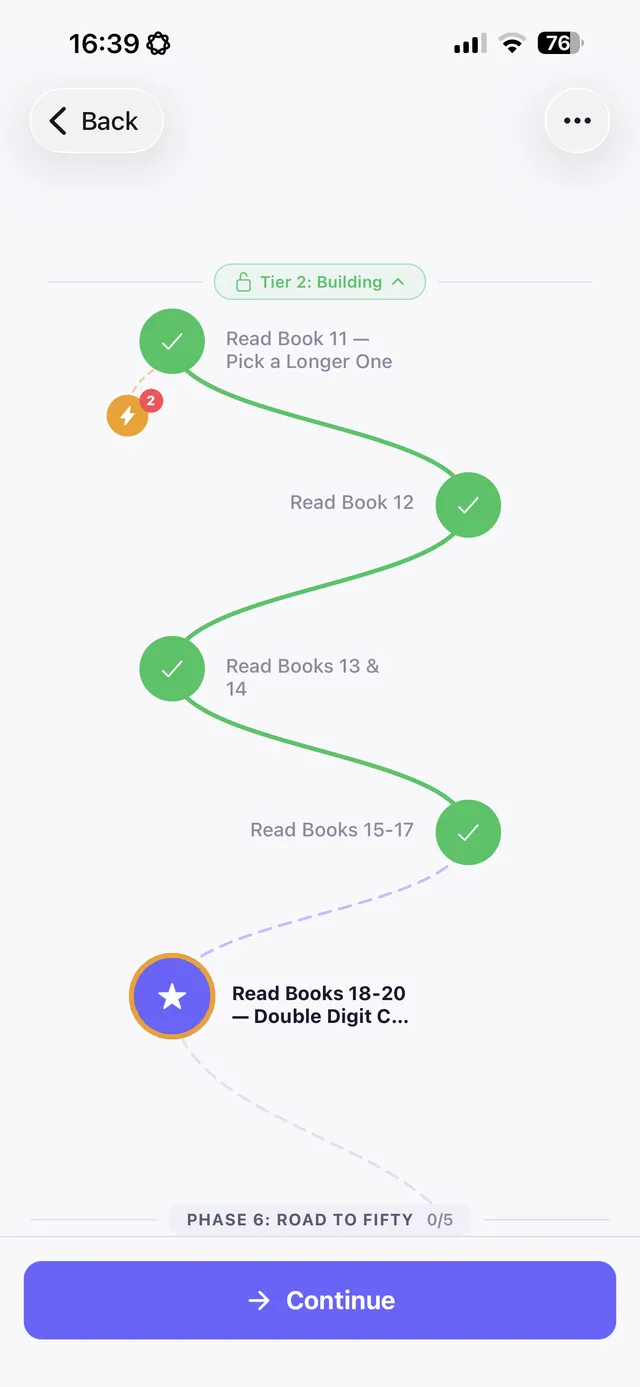
Replacify is built around this shift: you don't just stop a habit, you replace it with a path that makes you someone new — a runner, a reader, someone who meditates, cooks or plays guitar. Every completed step, checkpoint badge and streak day is another vote for that identity.
Frequently asked questions
What are identity-based habits?
Identity-based habits focus on who you want to become rather than what you want to achieve. Each action is treated as a vote for a certain type of person.
Who came up with identity-based habits?
James Clear popularised the idea in Atomic Habits, describing three layers of change: outcomes, processes and identity.
How do I build an identity-based habit?
Decide who you want to become, prove it with tiny daily actions, make those actions easy and obvious, track them and use language that fits your new identity.
Does saying 'I don't' instead of 'I can't' really help?
A small 2012 study found that people who said 'I don't' were better at resisting temptation than those who said 'I can't'. It's a simple framing worth trying.
Replace the habit. Not yourself.
Replacify helps you swap a bad habit for a better one — with structured paths, an SOS button for cravings, a focus timer, and streaks that keep you going.