Paper vs App: Which Habit Tracking Method Actually Sticks?

This comes up constantly: should you track habits on paper or with an app? Both methods genuinely work for plenty of people, and both have specific failure modes that ruin them for other people. The honest answer isn't "app is objectively better" or "paper is more mindful" — it's that each method fails in a different way, and knowing your own failure mode is what should decide which one you pick.
The short answer
Paper is tactile, has zero distraction risk, and requires no login or battery — but it's easy to forget to fill in, easy to lose, and can't remind you or recover a missed streak automatically. Apps offer reminders, streak data, and sync across every device you own — but the phone you're using to track a habit can itself become the distraction that derails the habit, especially if what you're tracking involves screen time in the first place. Pick based on which failure mode is more likely for you, not on which method sounds more virtuous.
The case for paper
Paper tracking — a printable grid, a bullet journal spread, or a plain notebook page — has real advantages that don't get enough credit:
- No distraction risk. Opening a notebook to check off a habit doesn't come with a notification badge pulling you toward three other apps.
- Tactile and visible. A page pinned to a wall or left open on a desk is a passive reminder just by being there, no notification required.
- Nothing to set up. No account, no sync settings, no app permissions — just a grid and a pen.
- Works completely offline, with no dependency on battery or signal.
If you want to try this route, free habit tracker template: printable and digital options has a simple layout you can copy today.
The failure mode: it's easy to genuinely forget. Unlike a phone, a notebook doesn't ping you, and if it's not physically in front of you at the moment the habit happens, days can slip by unlogged. It's also easy to misplace, and there's no backup if a page gets torn out or the whole notebook goes missing.
The case for apps
Habit tracker apps solve exactly the problems paper struggles with:
- Reminders that actually fire, tied to a specific time or trigger, not dependent on you remembering to look at a wall.
- Automatic streak tracking, including recovery logic in good apps so one missed day doesn't erase weeks of data.
- Sync across devices — start a check-in on your phone, see the same data on a tablet or another device.
- Data you can actually review, weekly or monthly trends instead of squinting at a grid of hand-drawn checkmarks.
The failure mode here is more specific and worth taking seriously: the phone is the tool, but the phone is also often the source of the habit you're trying to change — scrolling, a specific app, notifications in general. Opening your phone to log a habit and getting pulled into something else entirely is a real, common failure pattern, not a hypothetical one.
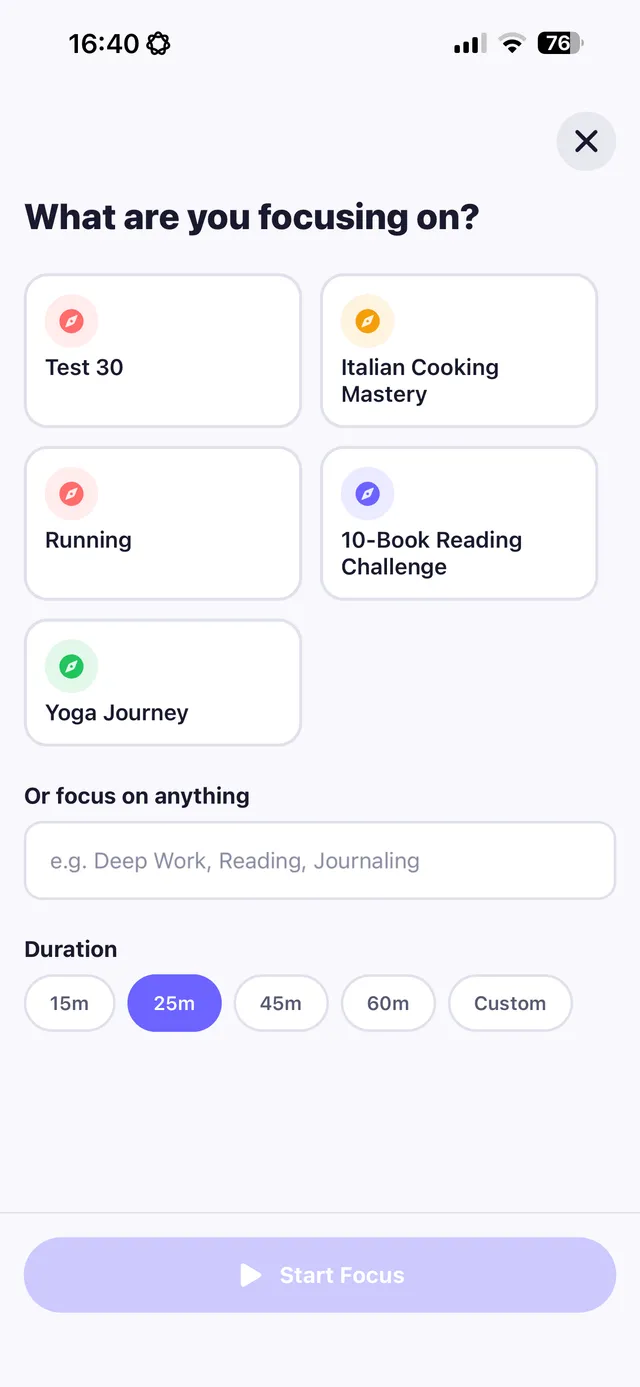
Replacify helps you swap a bad habit for a better one — with structured paths, an SOS button for cravings, a focus timer, and streaks that keep you going.


How to actually decide
Ask yourself which failure mode is more likely for you:
- If you tend to forget things that aren't actively reminding you, and your phone isn't the problem itself, an app is probably the better fit — the reminders alone solve your main risk.
- If you're trying to reduce phone or screen use specifically, or you know you get pulled into other apps the second you unlock your phone, paper removes that risk entirely, at the cost of needing more self-discipline to remember to log at all.
- If you want the best of both, some people track on paper for the actual habit-in-the-moment logging, then transfer weekly totals into an app or spreadsheet for the trend view — more setup, but it sidesteps both failure modes.
Either way, the same underlying rules apply regardless of format: track a small number of habits, log promptly, and treat a single missed day as normal rather than a reason to quit. How to use a habit tracker so it actually works covers this in more detail and applies to paper just as much as apps.
The bottom line
There's no universally correct answer between paper and app — there's the one that matches your actual failure mode. Paper removes distraction risk but relies entirely on your memory. Apps solve the memory problem but can introduce the exact distraction you might be trying to avoid.
If your bad habit involves your phone directly, that tension matters even more, and it's part of why Replacify is built the way it is: fast check-ins, a free SOS button for the moment an urge hits, and no feed or scroll to get pulled into once you open the app — the point is to get in, log your progress, and get back to your day.
Frequently asked questions
Is paper or app better for tracking habits?
Neither is universally better. Paper avoids distraction and needs no setup but is easy to forget or lose. Apps offer reminders and sync but can introduce their own distraction, especially if the habit you're tracking involves your phone.
What are the downsides of paper habit tracking?
The main risks are forgetting to log if the notebook isn't in front of you, and losing or damaging the physical page with no backup, unlike an app that stores your history automatically.
What are the downsides of app-based habit tracking?
The phone used to track a habit can itself become a distraction — notifications or other apps pulling you away right when you opened it to log a check-in, which is especially relevant if screen time is part of what you're trying to change.
Can I use both paper and an app together?
Yes, some people log in the moment on paper and transfer weekly totals into an app or spreadsheet for trend tracking. It takes more effort but can sidestep both methods' main weaknesses.
Replace the habit. Not yourself.
Replacify helps you swap a bad habit for a better one — with structured paths, an SOS button for cravings, a focus timer, and streaks that keep you going.