Should You Switch to a Dumb Phone? Pros, Cons and a Smarter Middle Ground
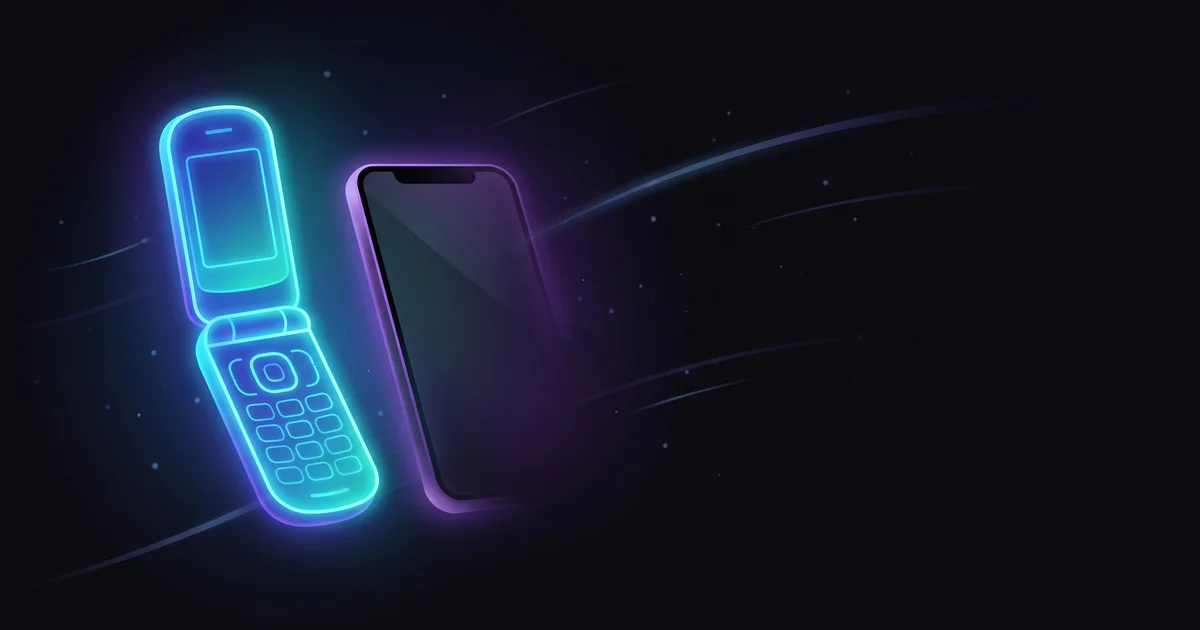
Flip phones and basic "dumb phones" are having a moment. Tired of endless feeds and constant notifications, some people — especially younger adults — are swapping their smartphones for devices that mostly just call and text. It's a real, growing trend. But is it right for you? Here's an honest look at the pros and cons, and a middle ground that gets you most of the benefits.
The short answer
A dumb phone is a basic phone focused on calls and texts, with few or no apps. It can dramatically cut screen time and distraction, because the tempting apps simply aren't there. The downsides are real: navigation, banking, two-factor authentication, messaging apps and work tools can be harder. Many people get most of the benefit with a "dumbed-down smartphone" — no social apps, grayscale, strict limits — or by using a dumb phone for evenings and weekends.
What counts as a dumb phone?
| Type | Features |
|---|---|
| Basic / feature phone | Calls, SMS, sometimes a basic camera |
| Flip phone | Calls, SMS, sometimes limited apps |
| Minimalist phone | Calls, texts plus a few chosen tools (maps, music), often with an e-ink or simple display |
| "Dumbed-down" smartphone | A normal smartphone with most apps removed and strict settings |
Why people are switching
- Endless scrolling and the feeling of brain rot.
- Constant notifications and interruptions.
- Wanting to be present with friends and family.
- Better sleep, with no feed to scroll in bed.
- Mental health — reducing comparison and information overload.
Pros and cons
| Pros | Cons |
|---|---|
| Removes tempting apps entirely | Navigation and maps can be harder |
| Fewer notifications and distractions | Banking and payment apps may not work |
| Longer battery life | Two-factor authentication often relies on apps |
| Less time spent on screens | Group chats in messaging apps may not be available |
| More present in daily life | Work apps, tickets and boarding passes |
| Often cheaper | Camera quality is usually worse |
Questions to ask before switching
- What do I actually need my phone for? List every essential: messaging, navigation, banking, authentication, tickets, work.
- Can I do those another way? A laptop for banking, a paper map, a hardware authentication key, a standalone music player.
- Who do I need to tell? Friends and family who rely on messaging apps.
- Do I want a full switch or a part-time one?
Replacify helps you swap a bad habit for a better one — with structured paths, an SOS button for cravings, a focus timer, and streaks that keep you going.


The middle ground: a dumbed-down smartphone
If a full switch isn't practical, you can get most of the benefits by making your smartphone boring:
- Delete social media, news and shopping apps.
- Turn on grayscale.
- Turn off all non-essential notifications.
- Keep only tools on your home screen (maps, calendar, camera, messages).
- Use app limits and focus modes.
- Charge it outside the bedroom.
How to reduce screen time and how to stop checking your phone have more detail.
The part-time approach
Some people keep their smartphone for work and weekdays but use a dumb phone for evenings, weekends or holidays. Others leave the smartphone at home for walks, gym sessions or dinners. It's a flexible way to test life with less screen time before committing.
What to do with the time
A dumb phone removes the scroll, but it doesn't automatically fill the space. Plan what you'll do instead — reading, a hobby, exercise, seeing people. Otherwise you may find yourself reaching for another screen. What to do instead of scrolling.
The bottom line
A dumb phone can be a powerful reset, but it isn't practical for everyone. List what you actually need your phone for, then choose: a full switch, a part-time switch, or a dumbed-down smartphone. Whichever you choose, plan what to do with the time you get back.
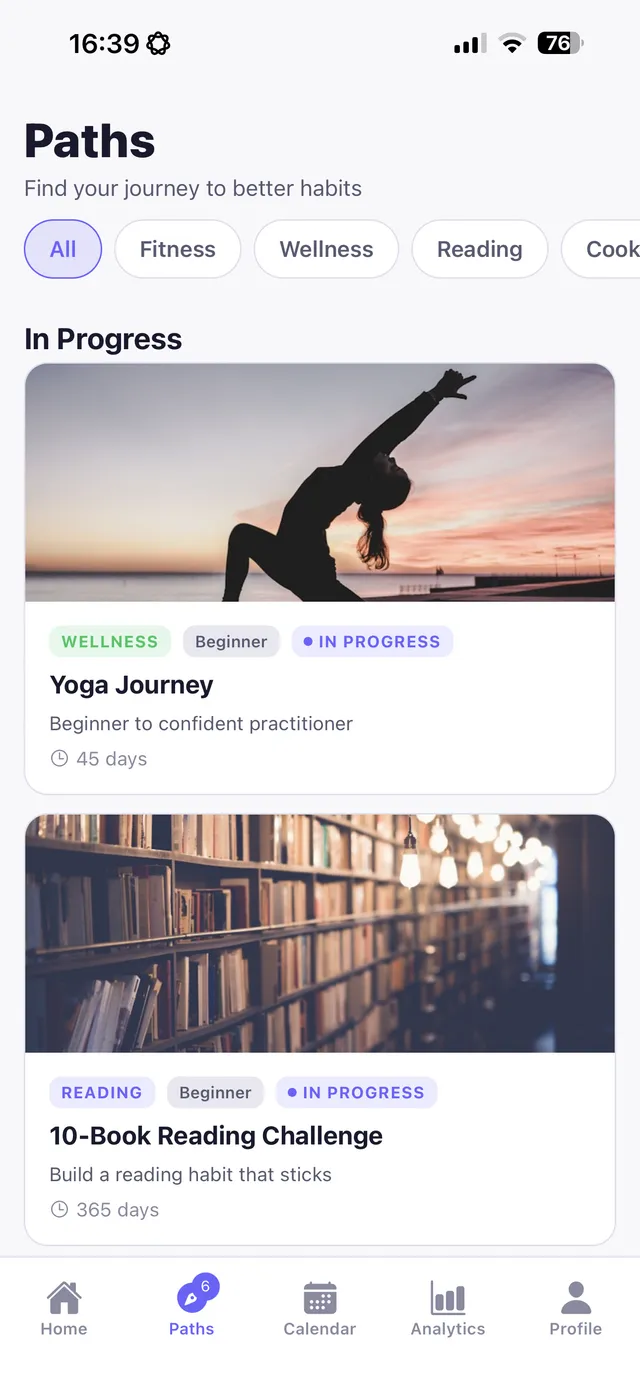
If you keep a smartphone, Replacify can help it work for you rather than against you: choose Phone Addiction or Social Media as your struggle, use the SOS widget instead of opening a feed, run phone-free focus sessions and fill the time with a replacement path like reading, drawing or running.
Frequently asked questions
What is a dumb phone?
A dumb phone is a basic phone focused on calls and texts, with few or no apps, designed to reduce distraction and screen time.
Should I switch to a dumb phone?
It can help if you want to drastically cut screen time, but check first whether you rely on apps for navigation, banking, authentication, messaging or work.
What are the downsides of a dumb phone?
Harder navigation, limited banking and payment options, trouble with app-based two-factor authentication, missing group chats and worse cameras.
How can I make my smartphone more like a dumb phone?
Delete social media and news apps, turn on grayscale, turn off non-essential notifications, keep only tools on your home screen and charge it outside the bedroom.
Replace the habit. Not yourself.
Replacify helps you swap a bad habit for a better one — with structured paths, an SOS button for cravings, a focus timer, and streaks that keep you going.