Environment Design: Change Your Space, Change Your Habits
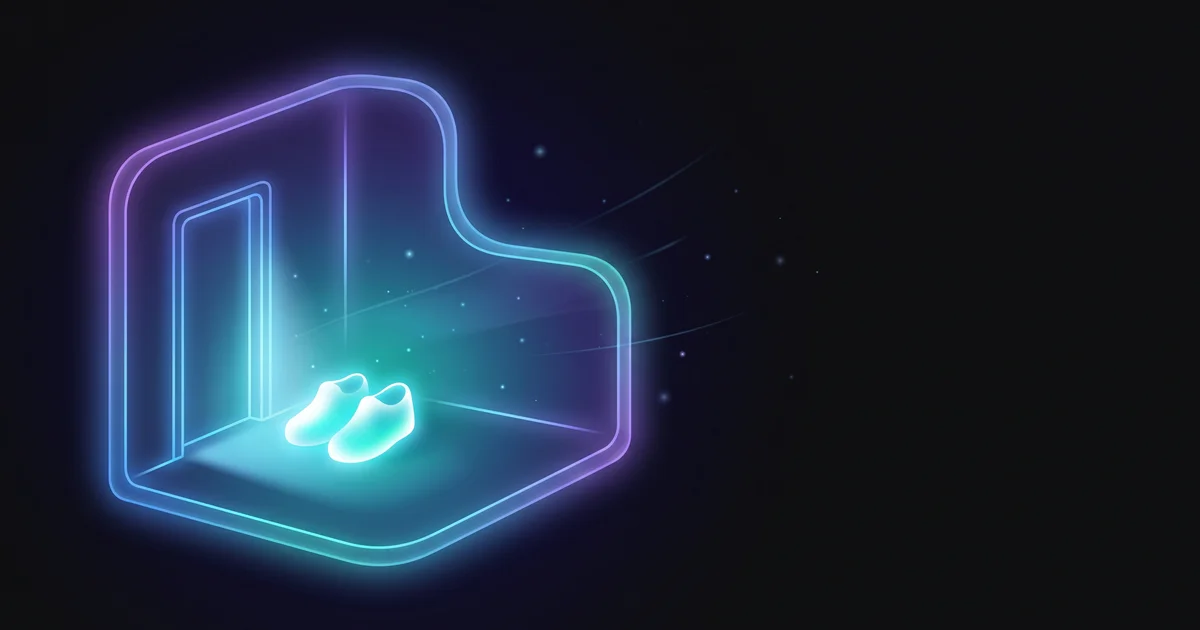
If your phone charges on your nightstand, you will check it in bed. If your running shoes are in the back of a closet under a pile of other shoes, you probably won't run before work. Neither of these facts has anything to do with your discipline — they're both predictable outcomes of environment design, whether or not you designed it on purpose. Most people's spaces are accidentally optimized for their worst habits and accidentally hostile to their best ones. That's fixable.
The short answer
Environment design means deliberately arranging your physical space — and your phone and apps — so that good habits require less effort to start and bad habits require more effort to start. Visibility and friction are the two main levers: put good-habit cues where you'll see them and bad-habit cues where you won't, and make the good habit the path of least resistance while making the bad habit slightly annoying to reach.
Why your environment is doing more work than you think
A huge share of daily behavior isn't driven by conscious choice — it's driven by what's visible and easy to reach in the moment. This is closely tied to context-dependent habits: the cues around you are part of what triggers a behavior in the first place, which means changing the cues changes the behavior without needing a single extra ounce of willpower.
Most people notice this only when it works against them — the chips on the counter that get eaten every time you pass, the phone on the desk that gets picked up between every task. Environment design just flips that same mechanism to work for you instead.
Making good habits visible and easy
The goal is to shrink the number of steps between "deciding to do it" and "actually doing it" to nearly zero:
- Running shoes by the door, not in the closet — you see them and they're already accessible.
- A book on the pillow instead of on a shelf, so it's the visible object when you get into bed.
- Pre-portioned healthy snacks at eye level in the fridge, instead of buried behind everything else.
- Workout clothes laid out the night before, so morning-you has one less decision to make.
- A water bottle on your desk, filled and ready, instead of a trip to the kitchen away.
None of these changes require more motivation. They just remove the small frictions that quietly stop a good intention from becoming an action.
Making bad habits invisible and hard
The same lever works in reverse. The goal here is to add just enough friction that the automatic version of the bad habit doesn't fire as easily:
- Phone charger outside the bedroom, so checking your phone in bed requires actually getting up.
- Log out of distracting apps instead of staying signed in, adding a small but real barrier.
- Keep junk food out of the house entirely, rather than relying on willpower every time you open the pantry.
- Unplug the TV after use instead of leaving it on standby with one click to turn back on.
- Move social apps off your home screen into a folder, breaking the automatic-reach cue.
Replacify helps you swap a bad habit for a better one — with structured paths, an SOS button for cravings, a focus timer, and streaks that keep you going.


Friction is doing the real work
The common thread across both directions is friction — how much effort stands between the cue and the behavior. We go deeper on this specific lever in friction and habits, but the short version is: a few extra seconds of effort is often enough to interrupt an automatic bad habit, and a few fewer seconds of effort is often enough to make a good habit finally stick.
Environment design also pairs naturally with habit stacking — placing a new habit's trigger object right next to an existing routine's location (a journal next to your coffee machine, dumbbells next to your desk) borrows a cue you already reliably encounter every day.
The bottom line
Willpower is expensive and unreliable in the moment; your environment works constantly, without needing to be asked. Making a good habit's cues visible and low-friction, and a bad habit's cues invisible and slightly harder to reach, changes behavior more reliably than trying to think your way through every single decision.
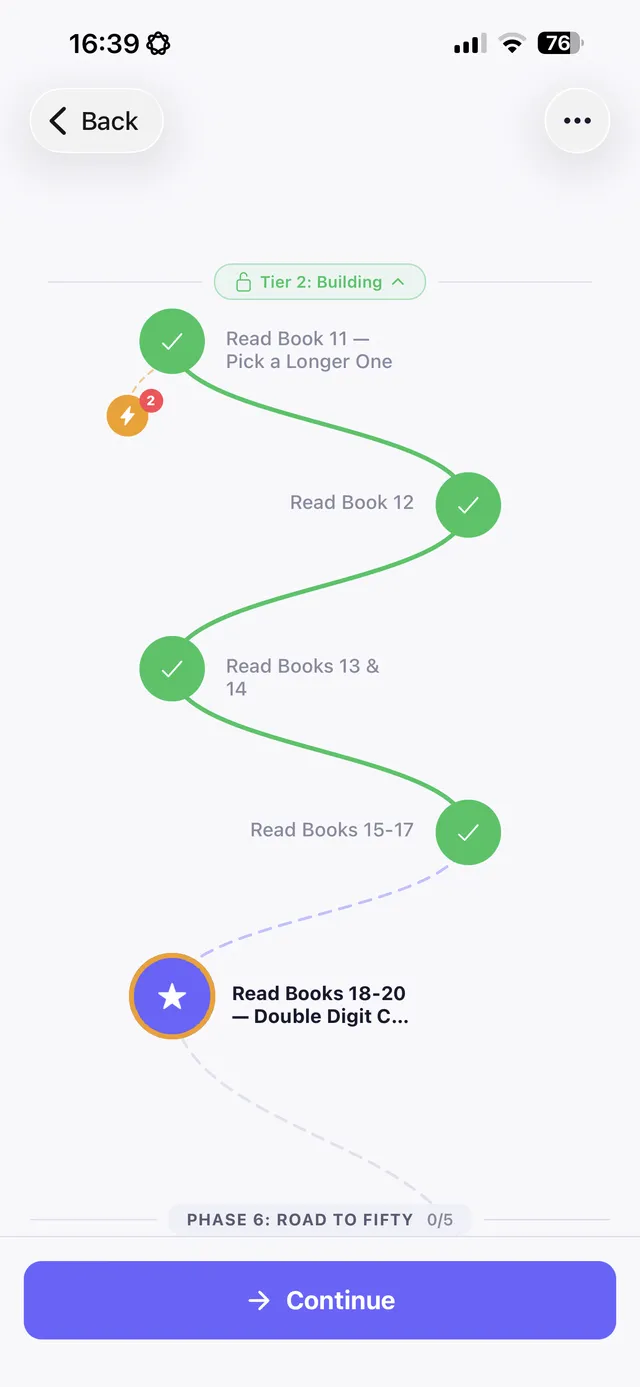
Replacify treats your app itself as part of that environment design. Choosing a struggle and a replacement path puts a specific, ready-to-go alternative in front of you exactly when the old cue would normally fire, so the new behavior is the easy, visible option instead of something you have to remember to choose. The SOS button removes the friction of figuring out what to do when an urge hits, and your streak keeps the whole system visible enough to stay motivating.
Frequently asked questions
What is environment design for habits?
Environment design means deliberately arranging your physical space and digital tools so good habits are visible and low-effort to start, and bad habits are hidden and require more effort to start.
Does changing my environment really work better than willpower?
For many habits, yes, because willpower is a limited resource you have to apply repeatedly, while a well-designed environment reduces or removes the need for a conscious decision in the first place.
How do I make a bad habit harder to do?
Add small amounts of friction — move the trigger object out of sight, log out of an app instead of staying signed in, or physically separate yourself from the cue, like charging your phone outside the bedroom.
What's a simple first step for environment design?
Pick one habit you're struggling with and change one visible detail — put the good habit's tool somewhere you'll see it, or move the bad habit's trigger somewhere you won't. Small, specific changes tend to work better than a full overhaul.
Replace the habit. Not yourself.
Replacify helps you swap a bad habit for a better one — with structured paths, an SOS button for cravings, a focus timer, and streaks that keep you going.