Temptation Bundling: Pair a Habit You Need With One You Want

The problem with most "should" habits — exercise, studying, cleaning, journaling — is that the reward is delayed and the effort is immediate. Your brain is much better wired for the opposite: instant payoff, later effort. Temptation bundling doesn't fight that wiring. It uses it, by physically tying something you instantly want to something you keep putting off.
The short answer
Temptation bundling means only letting yourself do an instantly-gratifying "want" activity while you're also doing a should-do habit — for example, only listening to your favorite podcast while running, or only watching your favorite show while folding laundry. The want activity makes the should activity feel less like a chore in the moment, and over time the pairing itself becomes part of the cue that gets you started. The main caveat: never bundle a want with the exact behavior you're trying to quit, or you'll reinforce the wrong loop.
Why it works
Most habit failure isn't about not knowing what's good for you — it's about the moment of starting feeling unrewarding. Willpower is a limited, effortful resource, and relying on it to power through an unrewarding start, day after day, is a losing strategy long-term.
Temptation bundling sidesteps the willpower problem instead of trying to strengthen it. By restricting an instantly enjoyable activity to only happen alongside the should-do habit, you give the should-do habit an immediate reward instead of a delayed one. The habit loop needs a reward close to the behavior to reinforce it — bundling manufactures that reward artificially until the habit's natural payoff (fitness, knowledge, a clean space) becomes reinforcing on its own.
Concrete pairings that actually work
The best bundles restrict something you already crave to only the should-do context:
| Should-do habit | Bundled want |
|---|---|
| Running or walking | Your favorite podcast or audiobook, only during the activity |
| Folding laundry or cleaning | A show you're currently into |
| Doing admin/paperwork | A specific playlist you save for it |
| Going to the gym | A social call with a friend during the drive there |
| Meal prepping | A comedy podcast or standup special |
| Stretching before bed | An episode of a low-stakes comfort show |
The mechanism is the restriction, not just the pairing. If you can watch your favorite show any time, it doesn't pull you toward folding laundry. If you can only watch it while folding laundry, the show becomes a reason to start.
The one bundling mistake that backfires
Don't bundle a want with the exact bad habit you're trying to quit. Pairing "only scroll social media while smoking" or "only eat dessert while vaping" reinforces the loop you're trying to break instead of replacing it — the want and the unwanted behavior get more tightly linked, not less. If you're working on quitting something, the want should be paired with the replacement behavior, not the habit itself.
Replacify helps you swap a bad habit for a better one — with structured paths, an SOS button for cravings, a focus timer, and streaks that keep you going.


Making the bundle actually stick
A few adjustments make bundling far more durable:
- Pick a want that's genuinely restricted elsewhere. If you already consume the podcast or show whenever you want, the bundle has no pull. Save something specifically for the paired activity.
- Keep the pairing consistent. Using the same show or playlist every time strengthens the context-dependent cue faster than switching it up constantly.
- Layer it onto an existing routine. Bundling works even better combined with habit stacking — attach the bundle to a cue you already have, like "after I sit down at my desk."
- Let the bundle fade once the habit is automatic. Eventually the should-do habit's own payoff (energy, progress, a finished task) becomes reinforcing enough that you won't need the bundle every time — that's a sign the habit has taken hold, not a reason to feel guilty about needing a crutch early on.
The bottom line
Temptation bundling works because it stops asking you to power through an unrewarding start with pure discipline, and instead gives the should-do habit an immediate reward it doesn't naturally have. Pick something you already crave, restrict it to only happen during the habit you're building, and keep the pairing consistent enough for your brain to learn it.
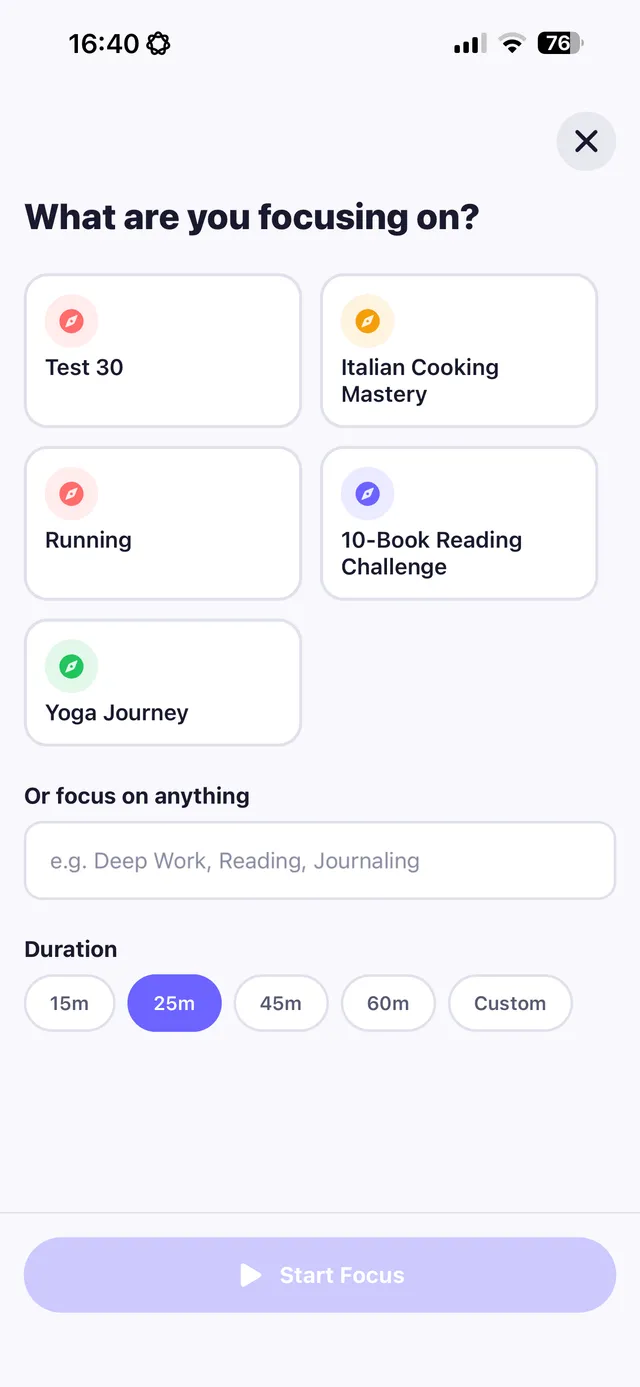
Replacify uses a version of this same logic when you build a replacement path. Choosing a struggle and pairing it with a path you actually enjoy — running with music, cooking with a podcast, creative work with a favorite playlist — makes the replacement feel like something you want to do, not another obligation. When the urge to fall back on the old habit hits before the new pairing has taken hold, the SOS button gives you an immediate option, and your streak tracks whether the bundle is actually working.
Frequently asked questions
What is temptation bundling?
Temptation bundling is pairing an instantly-gratifying activity you want to do with a should-do habit you keep avoiding, and only allowing yourself the want during the should-do activity — for example, only listening to a favorite podcast while running.
Does temptation bundling actually work?
It works because it gives an otherwise unrewarding habit an immediate reward instead of relying on willpower alone. The key is restricting the want activity so it's only available during the should-do habit, which is what creates the pull to start.
Can temptation bundling backfire?
Yes, if you bundle a want with the exact bad habit you're trying to quit — that reinforces the unwanted loop instead of breaking it. Bundle wants with replacement behaviors, not with the habit you're trying to leave behind.
What are good examples of temptation bundling?
Common pairings include listening to a favorite podcast only while exercising, watching a favorite show only while doing chores, or playing a specific playlist only during admin work. The want should be something you don't allow yourself at other times.
Replace the habit. Not yourself.
Replacify helps you swap a bad habit for a better one — with structured paths, an SOS button for cravings, a focus timer, and streaks that keep you going.