Habit Triggers: The Psychology of What Sets Off Automatic Behavior
No habit starts by itself. Something always comes first — a place, a time, a feeling, a person — and that something is the trigger. Most people who struggle to break a habit have never actually mapped their triggers; they just notice the behavior and try to resist it after it's already been set off. That's the hard way. Once you can name your triggers, you can start redesigning around them instead of fighting them in the moment.
The short answer
A trigger (or cue) is whatever signals your brain that it's time to run a habitual behavior. Triggers generally fall into five categories: time, location, emotional state, other people, and a preceding action. Identifying which of these set off a specific habit lets you intervene before the automatic behavior fires, which is almost always easier than resisting it once it's already underway. Removing or redesigning a trigger tends to beat relying on willpower in the moment of temptation.
The five categories of habit triggers
1. Time. Certain times of day become triggers on their own — the habit fires because it's 3pm, or because it's the moment you wake up, independent of anything else happening. Morning coffee, an afternoon snack, and bedtime scrolling are often purely time-triggered.
2. Location. Being in a specific place — the couch, the car, a particular room, even a specific aisle at the store — can trigger a habit regardless of time or mood. This is why people quitting smoking often notice their strongest cravings in the exact spots where they used to smoke.
3. Emotional state. Stress, boredom, anxiety, sadness, and even excitement can all act as triggers. Emotion-driven habits are often the hardest to spot because the emotion itself doesn't feel like a "cue" — it feels like a reason. But functionally, it operates the same way a location or time does.
4. Other people. Certain friends, family members, or social situations can trigger a habit that doesn't show up otherwise — the friend you always smoke with, the sibling that triggers an old argument pattern, the group chat that triggers doomscrolling.
5. A preceding action. Some habits are triggered by the action right before them, in a chain: finishing a meal triggers a cigarette, closing a laptop triggers picking up a phone, getting in the car triggers turning on a specific app. This is the mechanism behind habit stacking — and it works in reverse too, which is why an existing bad-habit chain can be so persistent.
How to identify your own triggers
Most people can't accurately identify their triggers just by thinking about it — the automatic nature of habits means the trigger often goes unnoticed by the time you're aware of the behavior. A short tracking exercise works better than introspection alone:
For three or four days, each time you catch yourself doing the habit, jot down: what time it was, where you were, what you were feeling, who was around, and what you'd just finished doing. After a few days, patterns usually jump out — most people find that two or three specific trigger combinations account for the majority of occurrences, not some vague, constant pull.
Replacify helps you swap a bad habit for a better one — with structured paths, an SOS button for cravings, a focus timer, and streaks that keep you going.


Why redesigning triggers beats resisting urges
Once a trigger fires, you're fighting an automatic response with a slower, effortful, deliberate system — and that's a fight the automatic system often wins, especially when you're tired, stressed, or your decision-making capacity is already spent. It's far more effective to intervene earlier, before the trigger even has a chance to fire.
| Instead of... | Try this |
|---|---|
| Resisting the urge to check your phone at your desk | Move the charging spot so the phone isn't in your line of sight |
| Willing yourself not to snack on the couch | Don't keep the snack in the house, or don't sit in that exact spot with free time |
| Fighting a stress-triggered habit in the moment | Build a pre-planned response to stress itself, before the old habit gets a chance |
| Avoiding a person who triggers the habit forever | Plan a specific alternative response for when you're with them |
This is also why relapse prevention planning puts so much weight on identifying high-risk situations in advance — a trigger you've already planned for is much less dangerous than one that catches you by surprise.
The bottom line
Every habit has a trigger, and most people never bother to find theirs — they just try to white-knuckle their way through the urge after it's already fired. Mapping your triggers across the five categories — time, location, emotion, people, and preceding actions — turns a vague, hard-to-resist habit into a specific, predictable pattern you can actually redesign around.
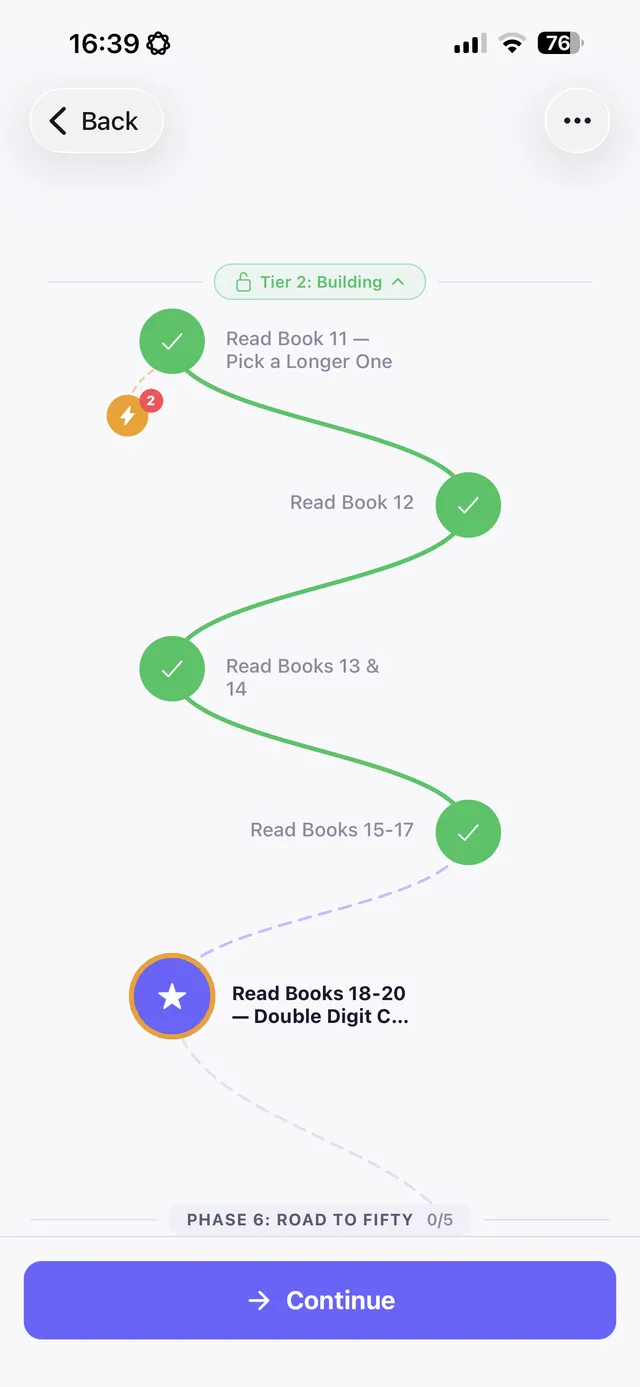
Replacify is built to work with your real triggers instead of ignoring them. Choose your struggle, pick a replacement path, and when a known trigger shows up, use the SOS button for a ready-made alternative instead of relying on willpower alone. Your streak shows the pattern shifting as you redesign around the cues that used to run the old habit.
Frequently asked questions
What are the main types of habit triggers?
Five common categories: time (a specific time of day), location (a specific place), emotional state (stress, boredom, anxiety), other people, and a preceding action (a prior behavior that leads directly into the habit).
How do I find my own habit triggers?
Track the habit for a few days by noting the time, place, feeling, people present, and prior action each time it happens. Patterns usually emerge quickly, often showing just a few specific trigger combinations account for most occurrences.
Is it better to resist an urge or avoid the trigger?
Avoiding or redesigning the trigger is generally more effective than resisting the urge once it's fired, since by that point you're fighting a fast, automatic response with slower, effortful willpower.
Can emotions really be habit triggers?
Yes. Emotional states like stress, boredom, or anxiety function as triggers the same way a time or place does, even though they often feel like a reason for the behavior rather than a cue for it.
Replace the habit. Not yourself.
Replacify helps you swap a bad habit for a better one — with structured paths, an SOS button for cravings, a focus timer, and streaks that keep you going.