How to Start Running as a Complete Beginner (and Make It a Habit)

Running is one of the simplest habits you can start: no gym, no special skills, and you can do it almost anywhere. It's also one of the best replacements for habits like smoking, drinking and endless scrolling — it gives you stress relief, a sense of progress and time away from your phone. The hard part isn't the first run. It's the tenth. Here's how to start running and actually keep going.
The short answer
To start running as a beginner: use run–walk intervals (for example, 1 minute running, 1–2 minutes walking), run three times a week with rest days in between, go slow enough to hold a conversation, increase gradually, and follow a structured plan like a 9-week couch-to-5K programme. Comfortable shoes are the only essential gear. Consistency matters far more than speed.
Before you start
If you have a heart condition, high blood pressure, are pregnant, have joint problems or haven't exercised in a long time, check with a doctor first. Stop and seek help if you feel chest pain, severe breathlessness or dizziness.
Gear you actually need
- Comfortable running shoes that fit well. A specialist shop can help if you're unsure.
- Comfortable clothes that don't chafe.
- That's it. Everything else is optional.
The beginner run–walk plan
Many beginners use a couch-to-5K style plan — for example, the NHS Couch to 5K programme, which takes you from no running to 30 minutes over 9 weeks with three runs a week. Here's the general shape:
| Week | Example session (3× per week) |
|---|---|
| 1 | 1 min run / 1.5 min walk × 8 |
| 2 | 1.5 min run / 2 min walk × 6 |
| 3 | 2–3 min run / walk breaks |
| 4 | 3–5 min runs / shorter walks |
| 5 | Longer runs, e.g. 8 min |
| 6 | 10+ min continuous runs |
| 7 | 25 min continuous |
| 8 | 28 min continuous |
| 9 | 30 min continuous |
Always start with a 5-minute brisk walk warm-up and finish with a walk to cool down.
The golden rules
1. Go slow
Most beginners run too fast. You should be able to speak in short sentences. If you can't, slow down or walk.
2. Rest days matter
Your body adapts between sessions. Running every day at the start increases injury risk.
3. Increase gradually
If a week feels too hard, repeat it. There's no rush.
4. Expect some hard days
Some runs will feel great; some will feel heavy. That's normal.
Replacify helps you swap a bad habit for a better one — with structured paths, an SOS button for cravings, a focus timer, and streaks that keep you going.


How to make running a habit
- Schedule it like an appointment — same days, same time.
- Lay out your kit the night before; shoes by the door.
- Stack it onto an existing habit — "after I drop the kids at school, I run". Habit stacking.
- Track every run. A visible streak of sessions is motivating. How habit streaks work.
- Run with others — a friend or a local beginners' group.
- Think of yourself as a runner from the first session. Identity-based habits.
Avoiding common beginner injuries
- Don't do too much too soon — the most common cause of injury.
- Mix in strength work like squats, lunges and calf raises twice a week.
- Listen to pain. Mild muscle soreness is normal; sharp or worsening pain isn't. Rest and seek advice if it persists.
Running as a replacement habit
Running works especially well as a replacement because it:
- Relieves stress, like a cigarette or a drink once did.
- Fills the same time slot — an evening run instead of an evening drink.
- Gets you away from your phone.
- Gives visible progress — distance, time, how you feel.
If you're quitting something, try running at the time you used to do it. Hobbies to replace bad habits.
The bottom line
Start running with run–walk intervals, three times a week, at a conversational pace. Follow a structured plan, increase gradually, rest between sessions and track your runs. Consistency beats speed every time — and running makes a great replacement for habits you want to leave behind.
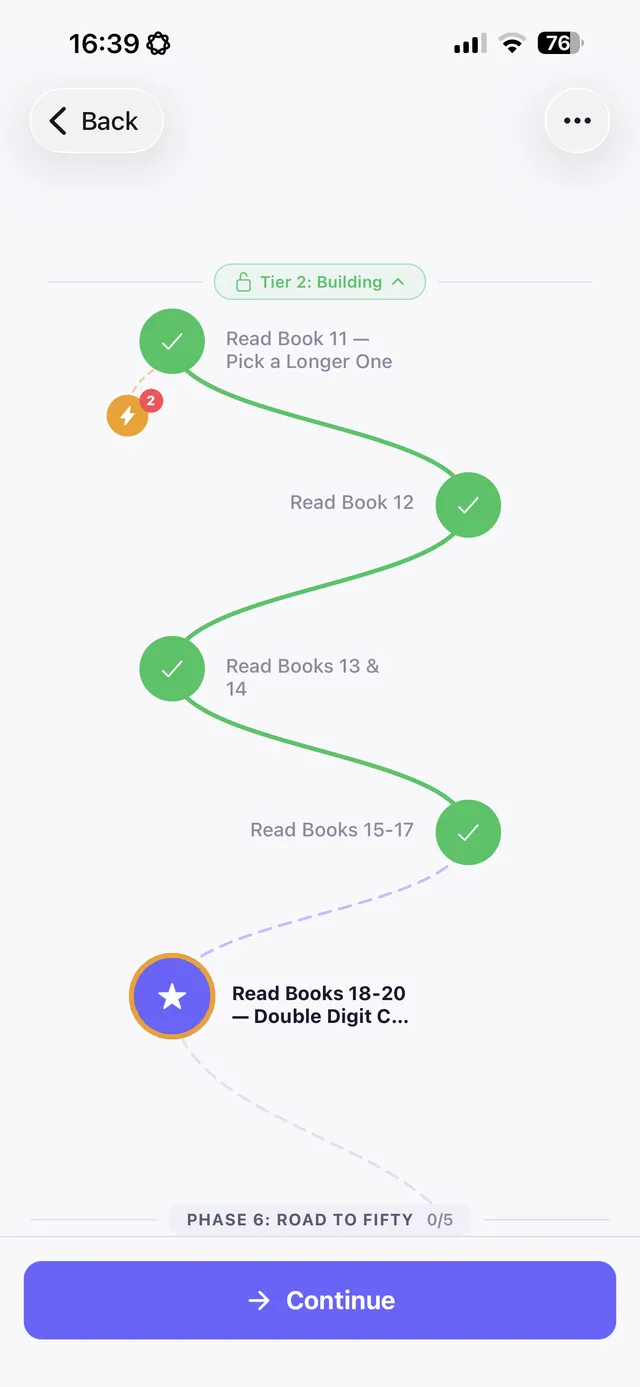
Replacify's Running path is built for beginners: phases, steps with time estimates and tips, and checkpoint badges as you progress. Sync with Apple Health to count your workouts and steps, join workout challenges, and watch running replace the habit you're quitting.
If you have health concerns, check with a doctor before starting a new exercise programme.
Frequently asked questions
How should a beginner start running?
Use run–walk intervals, run three times a week with rest days, go slow enough to talk, and follow a structured plan such as a 9-week couch-to-5K programme.
How long does it take to run 5K as a beginner?
Many couch-to-5K plans take about 9 weeks with three runs a week, but it's fine to repeat weeks and go at your own pace.
How often should beginners run?
About three times a week, with rest days in between, is a common starting point.
What do I need to start running?
Comfortable, well-fitting running shoes and comfortable clothes. Everything else is optional.
Replace the habit. Not yourself.
Replacify helps you swap a bad habit for a better one — with structured paths, an SOS button for cravings, a focus timer, and streaks that keep you going.