How to Break Any Habit Using the 4 Laws in Reverse

James Clear's four laws of behavior change — make it obvious, attractive, easy, satisfying — are usually framed as a recipe for building good habits. What's less talked about is that the same framework runs in reverse just as cleanly, and the inverted version is arguably even more useful, because breaking a habit is a much more specific, common problem than building one from scratch.
The short answer
To break a habit using the inverted 4 laws: make it invisible (remove the cues that trigger it), make it unattractive (reframe what the habit is actually costing you), make it difficult (add friction between you and the habit), and make it unsatisfying (attach a real cost or accountability to doing it). Applied together, these four levers do more work than trying to resist the habit through willpower alone.
Law 1 (inverted): Make it invisible
The original law says to make good habits obvious by putting their cues in plain sight. In reverse, you remove the cues for the bad habit instead. If a habit is triggered by seeing something, hearing something, or being in a specific place, reducing your exposure to that trigger reduces how often the craving even starts. This connects directly to the habit loop — no cue, no automatic craving.
Law 2 (inverted): Make it unattractive
Habits persist partly because your brain has learned to associate them with something appealing, even if the bigger picture is bad for you. Making a habit unattractive means deliberately reframing that association — noticing the real cost (how you feel afterward, what it's costing you in time or money, how it lines up with who you want to be) instead of letting the habit's short-term appeal go unexamined.
Law 3 (inverted): Make it difficult
This is where environment design earns its keep. Add friction between yourself and the habit: log out of the app, leave your wallet at home, put the object somewhere inconvenient, uninstall it entirely. The original law says to make good habits take two minutes or less; the inverted version says to make the bad habit take longer, or require more steps, than it currently does.
Law 4 (inverted): Make it unsatisfying
Habits stick because they're rewarded — even a small, immediate reward is enough to reinforce a behavior. Making a habit unsatisfying means attaching a real, immediate cost to doing it: telling an accountability partner every time you slip, using a habit contract with a stake attached, or simply tracking it somewhere visible so the habit stops being invisible even to you.
| Law | Building version | Breaking version (inverted) |
|---|---|---|
| 1 | Make cues obvious | Make cues invisible |
| 2 | Make it attractive | Make it unattractive |
| 3 | Make it easy | Make it difficult |
| 4 | Make it satisfying | Make it unsatisfying |
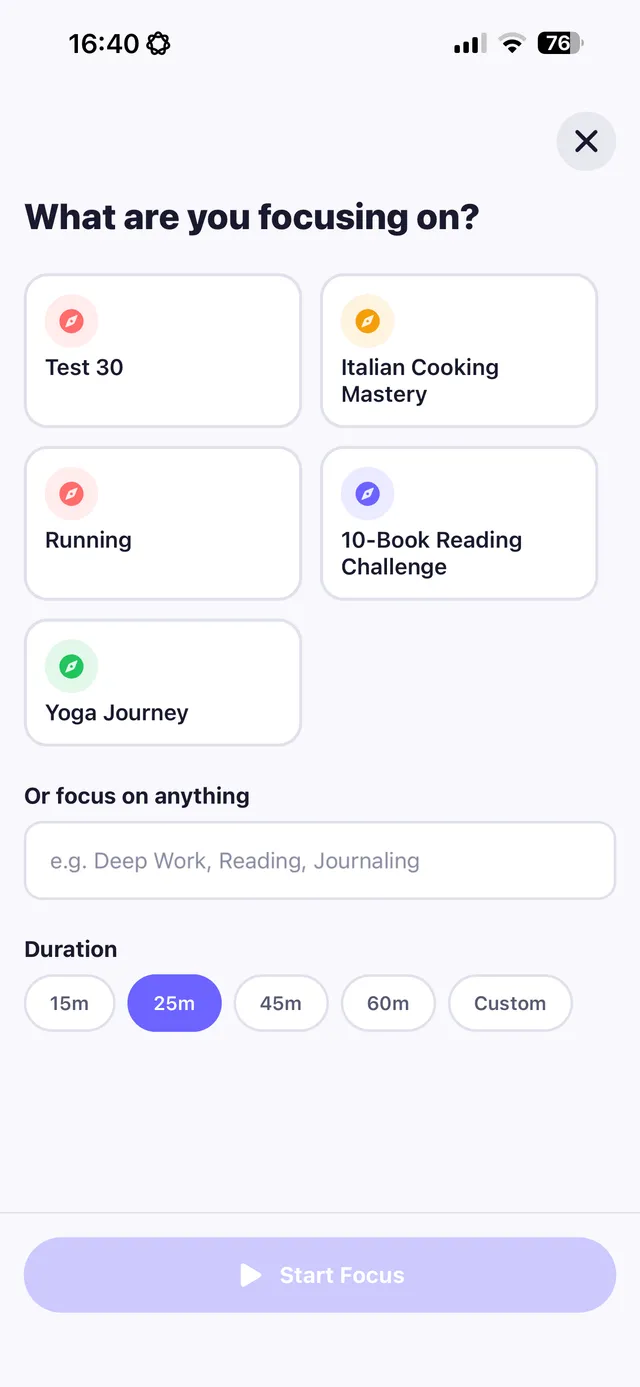
Replacify helps you swap a bad habit for a better one — with structured paths, an SOS button for cravings, a focus timer, and streaks that keep you going.


A worked example: late-night scrolling
Say the habit is scrolling your phone in bed until well past when you meant to sleep. Applied inverted:
- Invisible: Charge your phone in another room overnight, so it's not the last thing you see before bed and the first thing you reach for.
- Unattractive: Notice, honestly, how you feel the next morning after a late scrolling session — foggy, behind on sleep, no memory of what you even looked at. Let that be the association, not the momentary relief of checking one more notification.
- Difficult: Log out of the apps you scroll most, or move them off your home screen into a folder. A few extra taps is often enough friction to break the automatic reach.
- Unsatisfying: Tell a partner or friend you're trying to stop, and check in with them. Or just keep a visible tally of "late nights" for a week — seeing the number adds a small social/psychological cost that pure private failure doesn't.
None of these four levers relies on you having more resolve at 11pm than you did at 11am. That's the point — see why willpower isn't enough for the deeper reasoning behind that design choice. Pair this with a real replacement behavior — reading, a wind-down stretch, journaling — so the freed-up time and craving both have somewhere to go, per how to break a bad habit.
The bottom line
The 4 laws work just as well in reverse as they do forward. Make the cue invisible, make the habit unattractive by facing its real cost, make it difficult with real friction, and make it unsatisfying with accountability or tracking. Applied together, they reduce a habit from many angles at once instead of relying on one shaky line of defense.
Replacify builds a few of these levers in directly: choosing a struggle and a replacement path gives the old cue somewhere new to go, the SOS button adds a structured pause exactly when the "difficult" and "unsatisfying" levers matter most, and your streak makes the whole pattern visible — to you, which is often the accountability that was missing.
Frequently asked questions
Can the 4 laws of behavior change be used to break a habit, not just build one?
Yes. Each law inverts cleanly: make it invisible instead of obvious, unattractive instead of attractive, difficult instead of easy, and unsatisfying instead of satisfying.
What does 'make it invisible' mean for breaking a habit?
It means removing or reducing exposure to the cues that trigger the habit — a location, an app, an object — so the craving has fewer chances to start in the first place.
How do you make a habit 'unsatisfying' on purpose?
By attaching a real, immediate cost to doing it — telling an accountability partner every time you slip, using a habit contract, or tracking the behavior somewhere visible.
Do all four inverted laws need to be used together?
They're strongest together since each targets a different part of the habit loop, but even applying two or three — especially making the cue invisible and adding friction — meaningfully reduces a habit's frequency.
Replace the habit. Not yourself.
Replacify helps you swap a bad habit for a better one — with structured paths, an SOS button for cravings, a focus timer, and streaks that keep you going.