Cognitive Psychology and Habits: How Your Brain Saves Effort
You don't consciously think through how to tie your shoes, unlock your phone, or drive a familiar route home — and that's not an accident, it's your brain doing exactly what it's built to do. Cognitive psychology explains habits less as a character trait and more as an efficiency system: a way of offloading repeated decisions so your limited mental resources go toward things that actually need them.
The short answer
Cognitive psychology frames habits as a way to conserve mental effort. Your brain has limited working memory and attention, so it automates frequently repeated behaviors, freeing up cognitive resources for novel or complex tasks. This connects to the well-known idea of two modes of thinking — fast, automatic, effortless thinking (often called "System 1") and slow, deliberate, effortful thinking ("System 2"). Habits live almost entirely in the first mode, which is exactly why they're hard to change through conscious effort alone — you're trying to use slow, effortful thinking to override a fast, automatic process.
Why your brain automates repeated behavior
Working memory — the mental workspace you use for anything you're actively thinking about — is small and easily overloaded. If every action required full conscious deliberation, you'd exhaust it almost immediately: deciding how to brush your teeth, how to walk, how to make coffee, all before 8am. Cognitive psychology describes habits as a solution to this bottleneck: once a behavior has been repeated enough times in a stable context, the brain shifts control of it to faster, less resource-intensive processing, leaving working memory free for whatever's actually new or difficult that day.
This is why habits and willpower are often described as running on separate systems. A habit doesn't need willpower to execute once it's established — it runs closer to reflex. Willpower is what's required for non-habitual choices, which is also why it depletes over a long day of decisions. See willpower for more on why relying on it alone is such an unreliable strategy for behavior change.
System 1 and System 2, applied to habits
A useful, well-known distinction from cognitive psychology (associated with Daniel Kahneman's writing on judgment and decision-making) is between two modes of thinking:
- Fast, automatic thinking — intuitive, effortless, runs largely outside conscious awareness. Habits operate here once established.
- Slow, deliberate thinking — effortful, conscious, used for novel problems, complex decisions, and anything that hasn't been automated yet.
New habits start out requiring the slow system — you have to remember to do them, decide to do them, push through resistance. That's precisely why new habits feel exhausting in the first weeks: you're running them on the expensive system. As repetition increases, more of the behavior shifts toward the fast, automatic system, and the habit starts to feel effortless — not because you got more disciplined, but because it moved to a cheaper part of your cognitive machinery. This mirrors how long it takes to build a habit: the timeline is really a description of how long that shift takes.
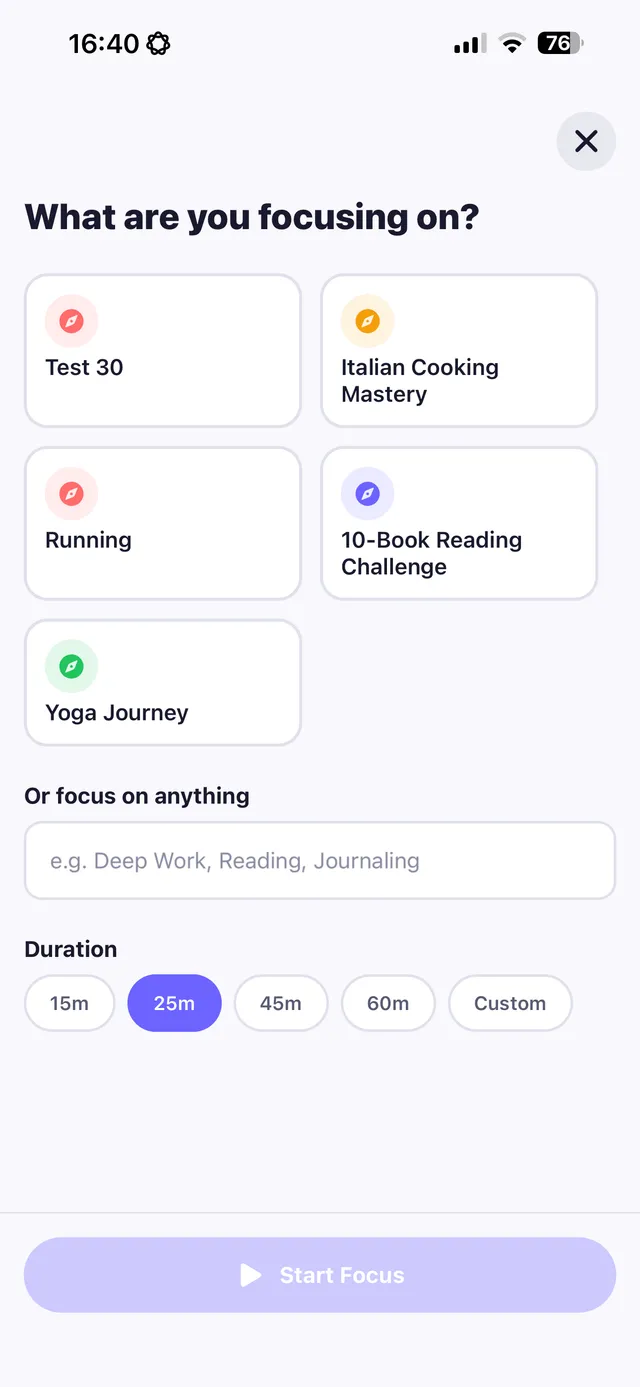
Replacify helps you swap a bad habit for a better one — with structured paths, an SOS button for cravings, a focus timer, and streaks that keep you going.


What this means for changing a habit
Understanding the cognitive-load angle changes how you should approach habit change practically:
Reduce decisions, not just increase motivation. Every decision a habit requires ("should I go to the gym today?") taxes the slow system. Pre-deciding — same time, same place, same trigger — removes the decision entirely, which is a big part of why habit stacking is so effective: it borrows an existing automatic cue instead of asking you to consciously decide each time.
Expect early effort, not immediate ease. If a new habit feels mentally taxing in week one, that's the slow system doing exactly what it's supposed to do — it hasn't automated yet. This isn't a sign of low willpower; it's a sign the behavior is new.
Protect your cognitive bandwidth in high-stress moments. Willpower and working memory are both limited resources, and both get depleted by stress, fatigue and decision overload. This is exactly why cravings and lapses cluster at the end of a long, hard day — your slow, deliberate system is running on empty right when you need it to override a strong automatic urge. See what to do when a craving hits for a plan that doesn't rely on willpower being available in that moment.
The bottom line
Habits aren't a moral failing or a willpower contest — they're your brain's cognitive-efficiency system doing what it's built to do, automating repeated behavior so your limited attention can go elsewhere. New habits feel hard because they're still running on your slow, effortful thinking system; they get easier as repetition shifts them toward automatic processing. Replacify works with that mechanism instead of against it: pick a replacement path with a clear, repeatable cue, lean on the free SOS button instead of your depleted willpower when a craving hits, and let your streak reflect the automaticity building underneath it.
Frequently asked questions
How does cognitive psychology explain habits?
As a way to conserve limited mental resources — working memory and attention. Repeated behaviors get automated over time, freeing up cognitive capacity for novel or complex tasks.
What is System 1 and System 2 thinking?
A well-known distinction between fast, automatic, effortless thinking (System 1) and slow, deliberate, effortful thinking (System 2). Established habits run mostly on System 1; new habits require System 2 until they're automated.
Why do new habits feel mentally exhausting?
Because they haven't been automated yet — they're still running on your slower, effortful thinking system, which requires conscious decisions and uses up limited working memory.
Why do willpower and cravings feel worse when you're tired or stressed?
Willpower and working memory are both limited resources that get depleted by stress, fatigue and decision overload, which is why cravings are hardest to resist at the end of a long day.
Replace the habit. Not yourself.
Replacify helps you swap a bad habit for a better one — with structured paths, an SOS button for cravings, a focus timer, and streaks that keep you going.