How to Build Good Habits That Actually Stick: A 7-Step System

You start strong: new running shoes, a meditation app, a reading list. Two weeks later, the habit has quietly disappeared. That's not a personal failing — most new habits fail because they rely on motivation, which is at its highest on day one and lowest exactly when you need it. Here's how to build good habits that actually stick, using a system instead of willpower.
The short answer
To build a good habit: start tiny, anchor it to an existing cue, make it easy (and the alternative harder), make it rewarding, track it, plan for obstacles, and never miss twice. Expect it to take weeks or months, not days — and focus on showing up consistently rather than doing a lot.
The 7-step system
| Step | What to do | Example |
|---|---|---|
| 1. Start tiny | Shrink the habit until it's almost too easy | 1 push-up, 1 page, 1 minute |
| 2. Anchor it | Attach it to something you already do | After I pour my coffee… |
| 3. Make it easy | Remove friction; prepare in advance | Shoes by the door |
| 4. Make it rewarding | Enjoy it and celebrate small wins | Tick a tracker, favourite playlist |
| 5. Track it | Make progress visible | Streak calendar |
| 6. Plan for obstacles | If–then plans for tough days | If it rains, I'll do a home workout |
| 7. Never miss twice | Recover quickly from slips | Miss Monday, show up Tuesday |
1. Start tiny
The biggest mistake is starting too big. "Run 5K every day" fails in a week; "put on running shoes and step outside" builds the habit of showing up. You can grow it once it's automatic.
2. Anchor it to a cue
Habits need a trigger. The most reliable is something you already do every day: "After I brush my teeth, I'll meditate for two minutes." Habit stacking explains the formula.
3. Make it easy
Reduce friction for the good habit: lay out your gym clothes, keep a book on your pillow, prep ingredients the night before. And add friction to competing habits: phone in another room, snacks out of sight.
4. Make it rewarding
Habits stick when they feel good. Pair the habit with something you enjoy (a podcast while walking), celebrate completing it, and notice how you feel afterwards. The habit loop explains why the reward matters.
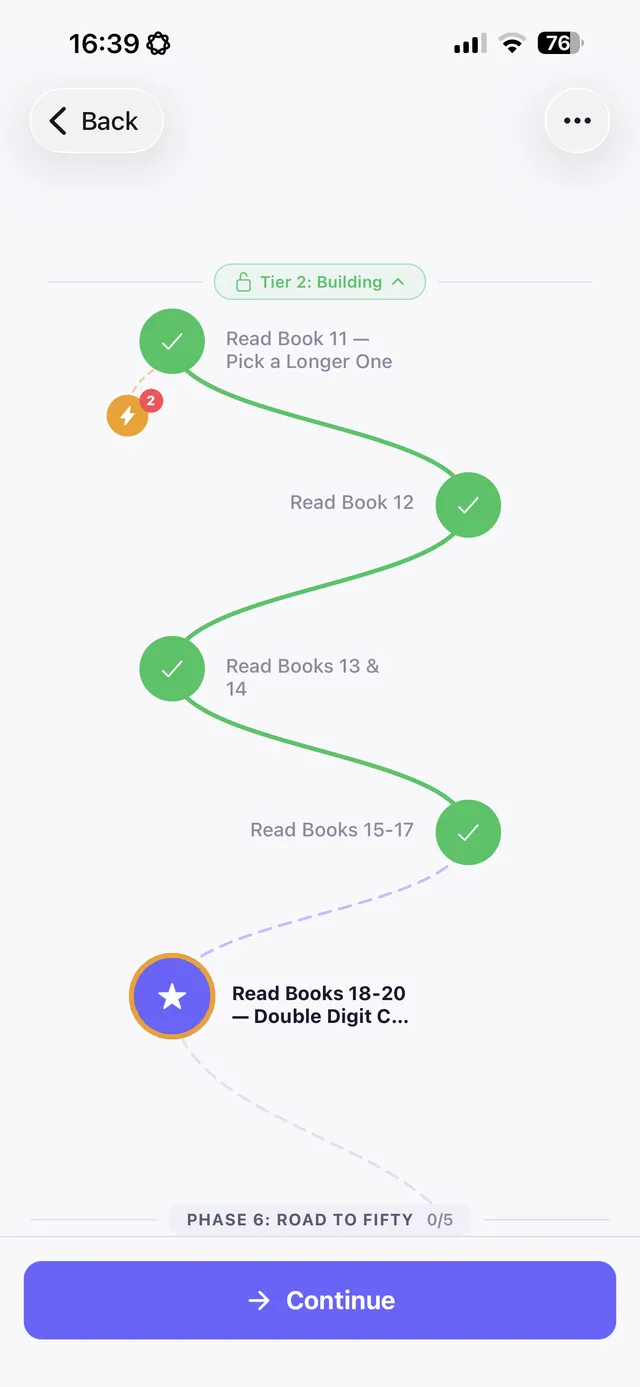
Replacify helps you swap a bad habit for a better one — with structured paths, an SOS button for cravings, a focus timer, and streaks that keep you going.


5. Track it
A visible record — a calendar, a streak, a tracker — turns invisible progress into something you can see and want to protect. How habit streaks work.
6. Plan for obstacles
Write "if–then" plans for predictable problems: "If I work late, I'll do a 10-minute version." "If I'm travelling, I'll read on my phone's e-reader app instead of my paper book." This kind of implementation intention is one of the best-studied tools in behaviour change.
7. Never miss twice
You will miss days. What matters is not letting one miss become a pattern. Miss once, show up the next day. What to do after you break your streak.
How long does it take?
Longer than the popular "21 days". A frequently cited University College London study found it took participants an average of about 66 days for a new habit to feel automatic, with a very wide range depending on the person and the habit. How long it takes to build a habit.
Choose habits that matter to you
A habit you care about is much easier to maintain than one you "should" do. Ask: Who do I want to become? A reader, a runner, someone calm, someone present. Then choose habits that act as votes for that identity. Identity-based habits.
Building a good habit to replace a bad one
The most powerful good habits often replace bad ones: running instead of an evening drink, reading instead of scrolling in bed, cooking instead of takeaway. You get the benefit of the new habit and weaken the old one by occupying its time slot. Hobbies to replace bad habits.
Common mistakes
- Starting too big.
- Relying on motivation.
- Vague goals ("exercise more").
- Changing too many habits at once.
- Quitting after one missed day.
The bottom line
Good habits stick when they're tiny, anchored to a cue, easy to start, rewarding, tracked, planned for and recovered from quickly. Choose habits that matter to you, give them time, and let them replace the habits you want to leave behind.
Replacify is built around this system: replacement paths break new habits into small, sequenced steps with time estimates and checkpoint badges; the focus timer makes sessions easy to start; streaks, coins and badges reward consistency; reminders help you stay on schedule; and streak shields protect you on the days you can't show up.
Frequently asked questions
How do I build good habits that stick?
Start tiny, anchor the habit to something you already do, make it easy and rewarding, track it, plan for obstacles with if–then plans and never miss twice in a row.
How long does it take to build a habit?
A well-known study found it took an average of about 66 days for a habit to feel automatic, with a very wide range between people and habits.
What is the best way to start a new habit?
Make it so small it's almost too easy, and attach it to an existing daily routine, such as after your morning coffee or after brushing your teeth.
What should I do if I miss a day?
Don't let one miss become two. Get back to your habit the next day — consistency over time matters more than a perfect streak.
Replace the habit. Not yourself.
Replacify helps you swap a bad habit for a better one — with structured paths, an SOS button for cravings, a focus timer, and streaks that keep you going.