Is Atomic Habits Worth Reading? What the Book Actually Delivers

Atomic Habits is one of the best-selling nonfiction books of the last decade, which is exactly why it's worth asking honestly: is it actually worth reading, or is it just well-marketed? The answer isn't a simple yes or no — it depends on what you're looking for.
The short answer
Atomic Habits is genuinely worth reading if you want a practical, actionable framework for behavior change — it's clearly organized, easy to apply, and light on fluff compared to a lot of self-improvement writing. It's less worth it if you're looking for groundbreaking new research — most critics agree it's a well-packaged synthesis of existing psychology rather than a novel discovery. Either way, reading it is only step one; actually tracking and doing the habits is what makes the difference.
What the book gets genuinely right
It's actionable, not just inspirational. A lot of self-improvement books leave you motivated for a day and unsure what to actually do on Tuesday. Atomic Habits gives you specific mechanisms: the 4 Laws of Behavior Change, the two-minute rule, habit stacking. You finish most chapters with something concrete to try.
The identity framing is genuinely useful. Reframing habits around identity ("I am someone who exercises" rather than "I want to lose weight") is a real, practically useful shift for a lot of readers — it changes the psychological stakes of skipping a day from "I missed a goal" to "that's not who I want to be." See identity-based habits.
It's well organized. Each chapter maps cleanly onto the larger framework, with a summary at the end. It's easy to skim back to the section you need later, which is more than you can say for most books in this category.
What critics say
It's largely a synthesis, not new research. The book doesn't introduce a new psychological theory — it repackages established ideas about cues, reinforcement and habit loops (some of which long predate the book) into a more digestible, modern format. If you've already read deeply in behavioral psychology, a lot of it will feel familiar.
Some sections feel repetitive. A common criticism is that the core ideas could be conveyed in far fewer pages, and the book restates the same core loop (cue-craving-response-reward) across multiple chapters with different examples.
It's light on nuance for complex habits. The framework works cleanly for habits with a fairly direct cue and response — going to the gym, checking your phone. It's less equipped to handle habits tangled up with trauma, addiction, or mental health, where "make it obvious and easy" isn't the whole picture. For those, professional support alongside the framework matters more than the book implies.
Replacify helps you swap a bad habit for a better one — with structured paths, an SOS button for cravings, a focus timer, and streaks that keep you going.


Is it worth the price?
Compared to most nonfiction books, it's a modest cost for something you can realistically apply the same week you read it — which is more than most books in the category can say. If cost is the concern, the core ideas (identity, the 4 Laws, stacking) are genuinely summarizable in a short read; see our Atomic Habits summary if you want the framework without committing to the full book first.
Reading is step one
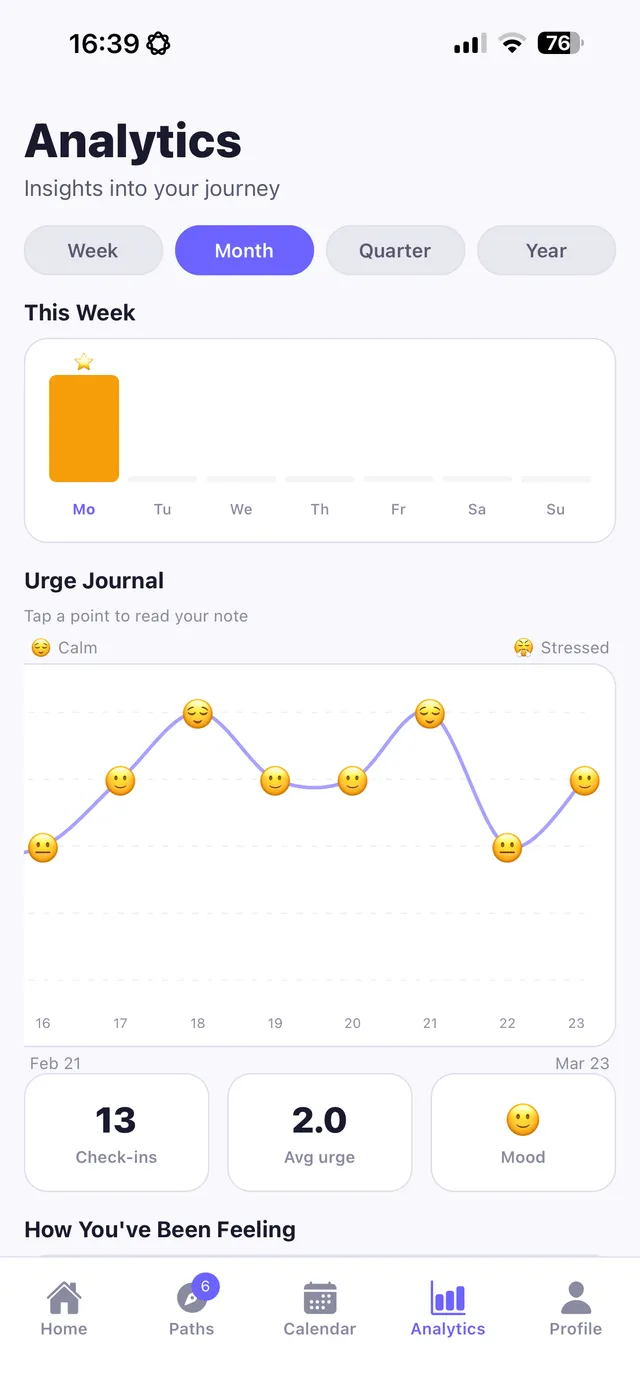
Here's the honest limitation that applies to any habits book, not just this one: no book tracks your streak, reminds you when a craving hits at 9pm, or tells you whether last week's plan is actually working. Reading Atomic Habits will change how you think about habits. It won't, by itself, change what you do — that requires a system that runs in your actual day, not just in your head. That's true whether you're comparing it to The Power of Habit or any other habit book.
The bottom line
Atomic Habits earns its reputation as one of the more practical, well-organized books in the self-improvement category — it's genuinely worth reading if you want a usable framework rather than just motivation. It's not flawless: it's more synthesis than original research, and it can feel repetitive by the back third. Read it for the frameworks, then close the loop with something that tracks real behavior. Replacify picks up exactly where the book leaves off — choose a struggle and a replacement path, use the free SOS button when a craving hits, and watch a streak build instead of a highlighted paperback collecting dust.
Frequently asked questions
Is Atomic Habits worth reading?
Yes, for most readers — it's practical, well organized, and easy to apply. It's less valuable if you're looking for groundbreaking new psychological research, since it's largely a synthesis of existing ideas.
What are the main criticisms of Atomic Habits?
That it's more synthesis than original research, that some sections feel repetitive across chapters, and that its framework works best for simple habits rather than ones tangled with deeper issues like addiction or trauma.
Does reading Atomic Habits actually change your habits?
Reading it can change how you think about habit formation, but the book itself doesn't track your behavior. Applying the ideas consistently — often with a tracking tool — is what actually produces change.
Is Atomic Habits or a habit-tracking app better?
They serve different purposes. The book gives you the framework; an app like Replacify helps you apply it daily by tracking streaks, offering replacement actions, and giving you support in the moment a craving hits.
Replace the habit. Not yourself.
Replacify helps you swap a bad habit for a better one — with structured paths, an SOS button for cravings, a focus timer, and streaks that keep you going.